À La Table
Fall-Winter 2026
Ready-to-Where™ Collection
À La Table, translating to “at the table” in French, is an invitation into a slower, richer way of traveling: rooted in presence, connection, and the rituals that unfold when we gather to eat, drink, and linger together.
As we begin to dream of fall and winter, we’ve curated a collection of destinations shaped by harvest, hearth, and celebration. Places where meals are never rushed and conversations stretch long into the evening. Picture vineyards at their most expressive, kitchens scented with spice and woodsmoke, and traditions that bring people together in meaningful, time-honored ways.
Here, travel is measured not by distance covered, but by moments savored. By meals that feel both deeply local and quietly ceremonial. À La Table is an invitation to slow down, settle in, and experience the world as it is meant to be known: thoughtfully, generously, and always in good company.

Turin, Italy
Why Turin?
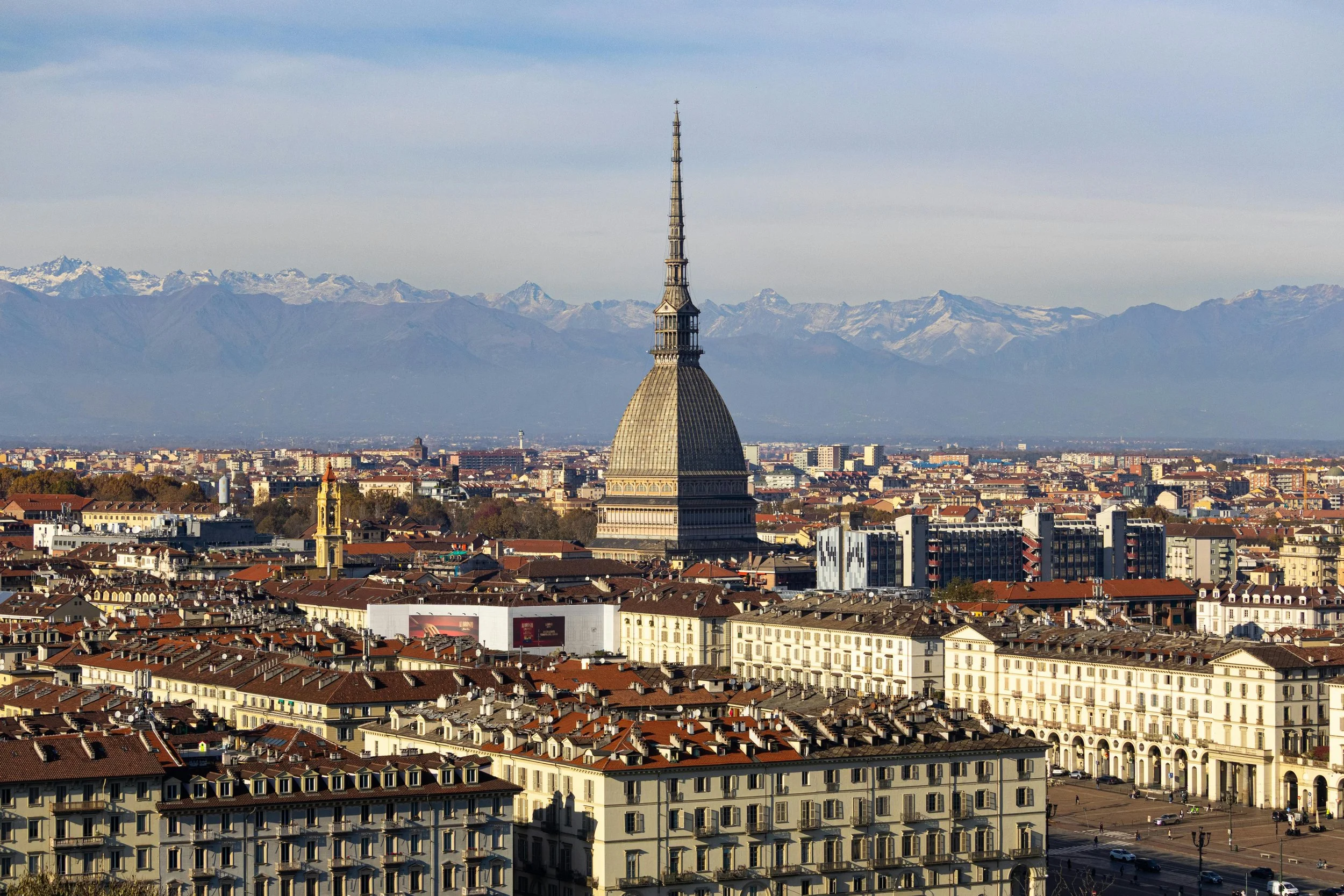
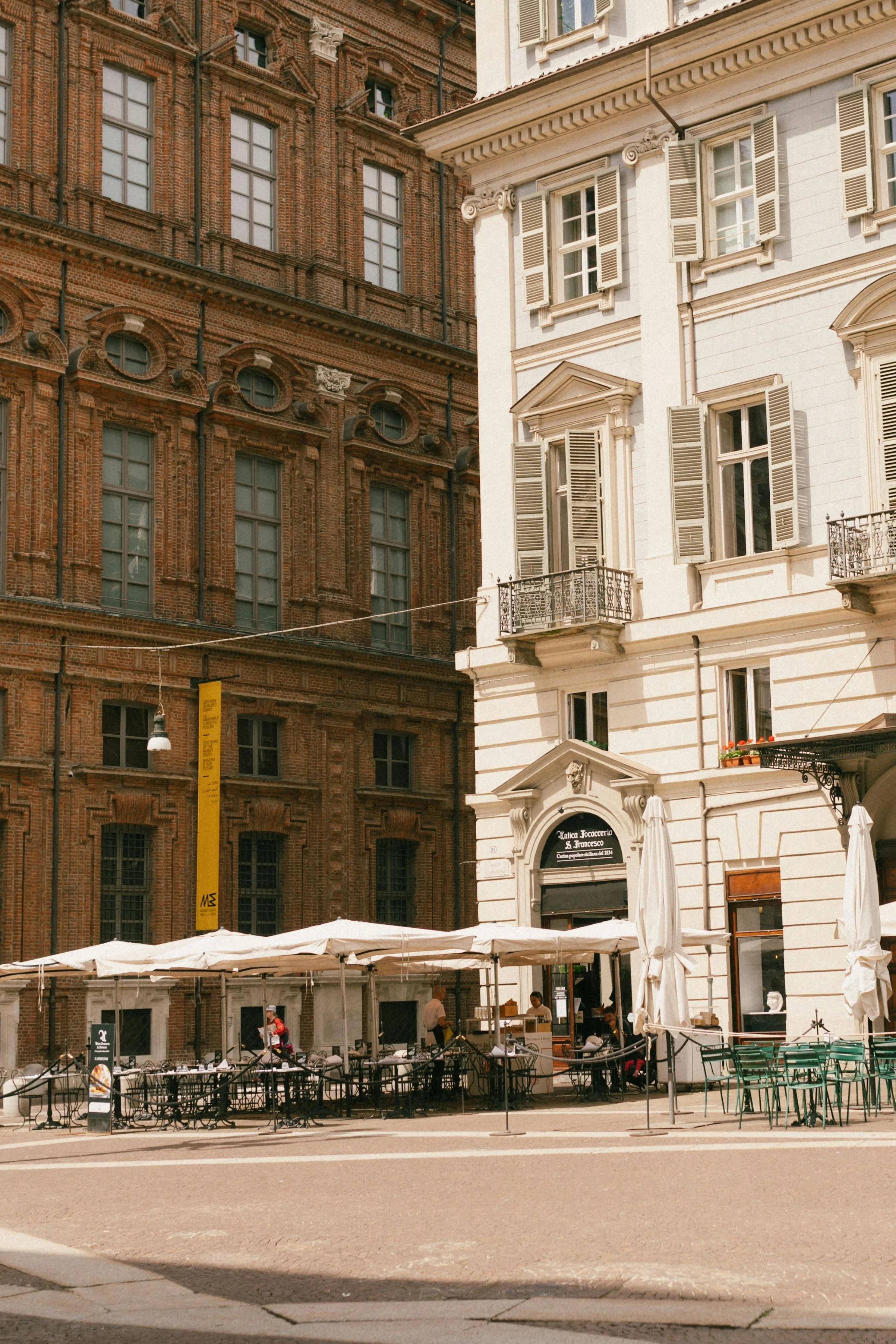
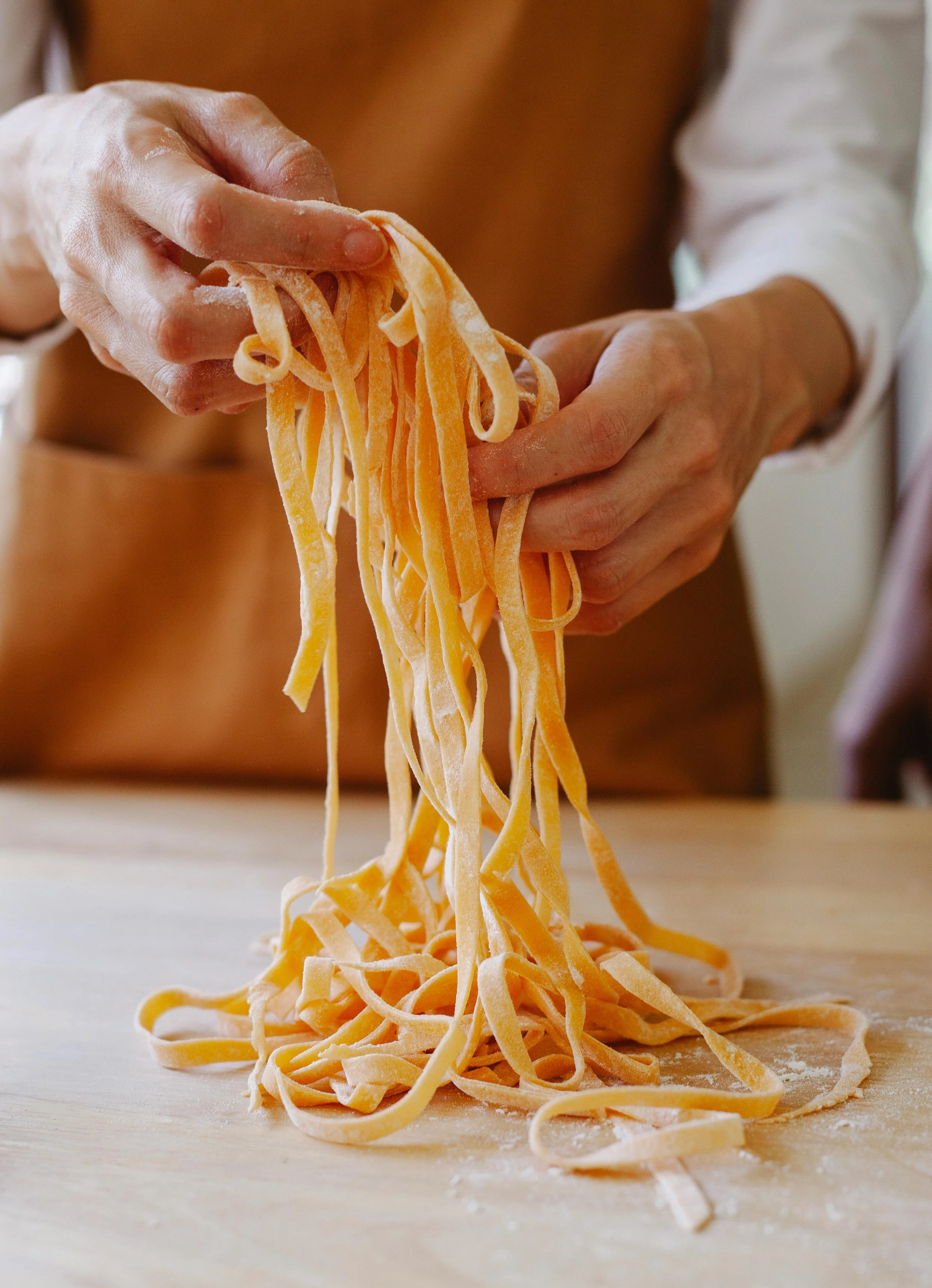
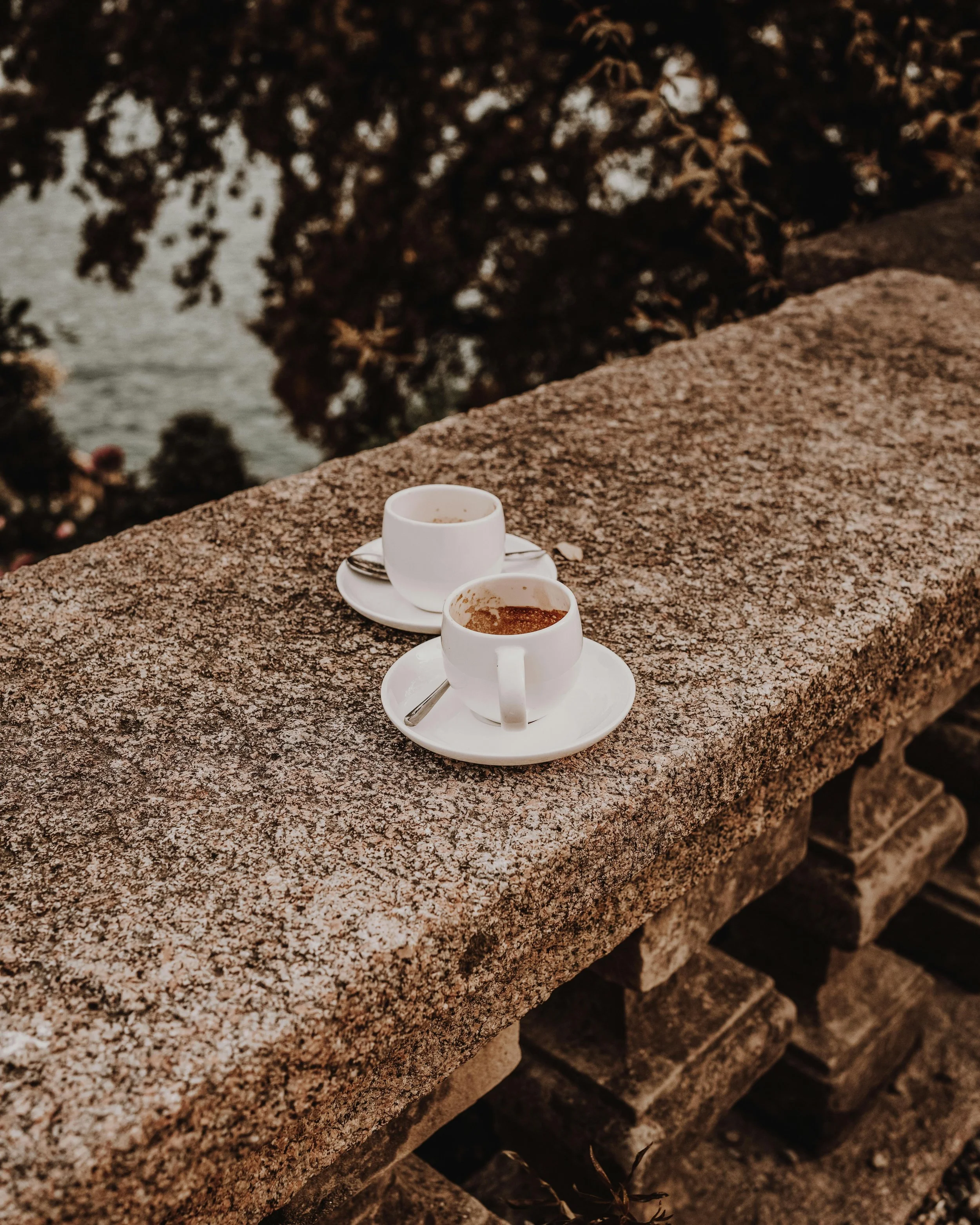
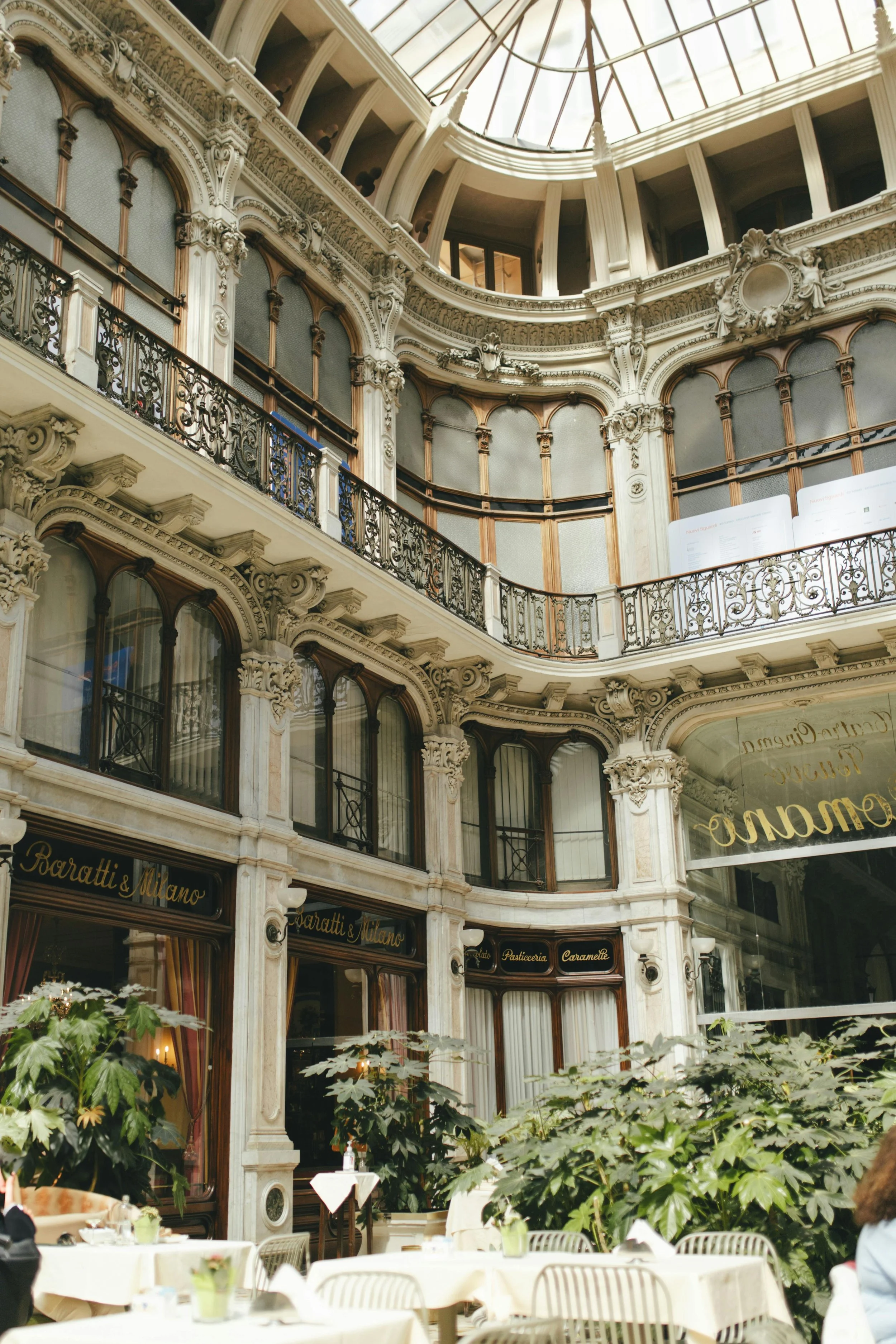
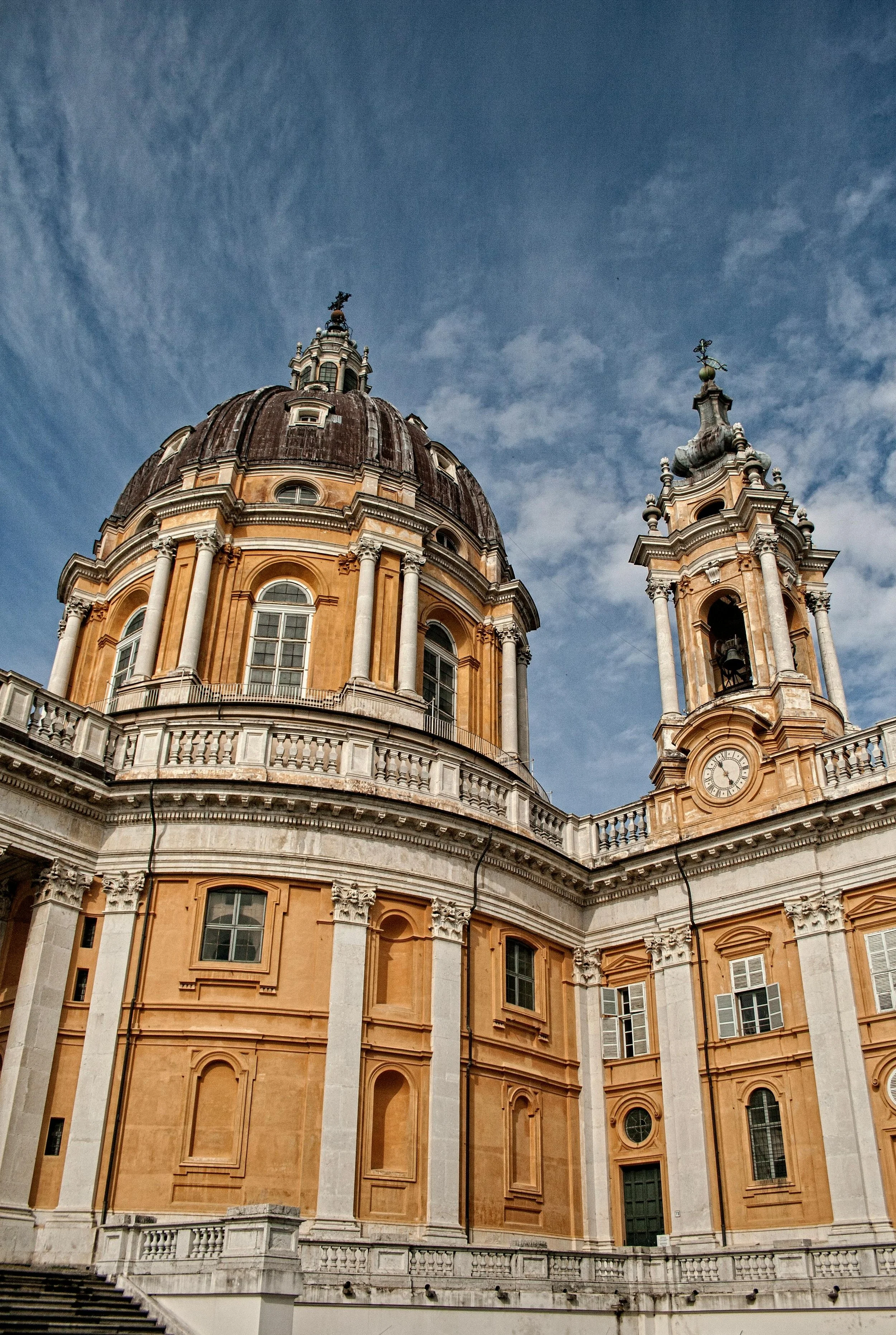
Turin moves at a different pace than Italy's more famous food cities, and that's precisely its charm. Baroque arcades shelter historic cafés where locals linger over bicerin, the city's drink layered with espresso, chocolate, and whipped cream. Michelin-starred restaurants sit alongside family-run establishments serving agnolotti so delicate, it melts in your mouth.
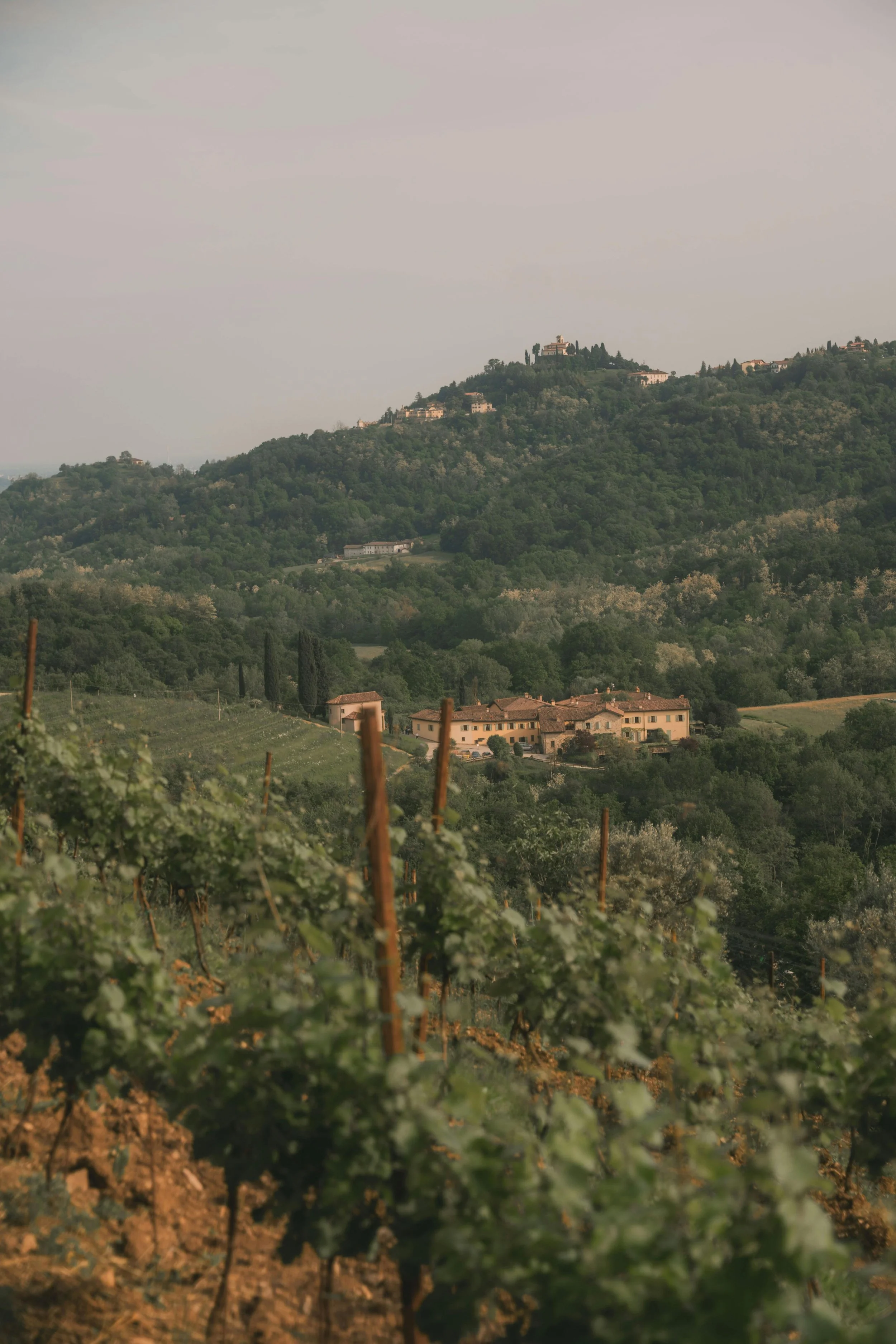
This is Piedmont's elegant capital: where white truffles command reverence in autumn, where vermouth was born, and where chocolate craftsmanship is an art form in century-old shops. The Po River reflects golden light across neoclassical palaces while nearby vineyards in the Langhe produce some of Italy's most coveted wines.
Why Now?
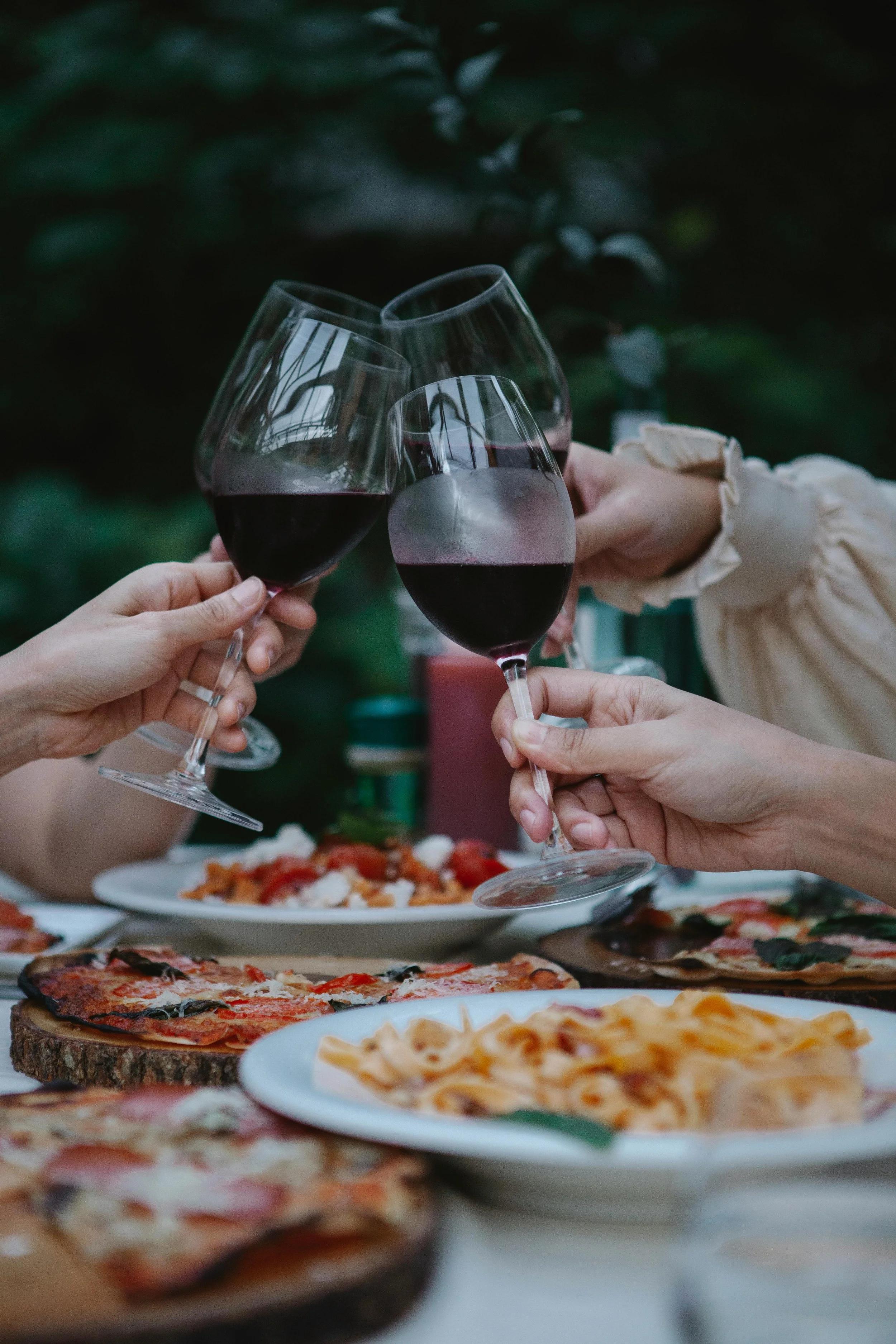
In autumn Turin transforms into a culinary sanctuary. White truffle season peaks filling restaurants with their intoxicating aroma. Holiday markets illuminate the arcaded streets while cozy cafés and renowned restaurants beckon with braised beef and bold Barolos.
Winter fog blankets the surrounding hills, making the city's warmth - both literal and cultural - all the more inviting. This is when Turin reveals its true character: intimate, refined, and decidedly unhurried.
Lyon, France
Why Lyon?
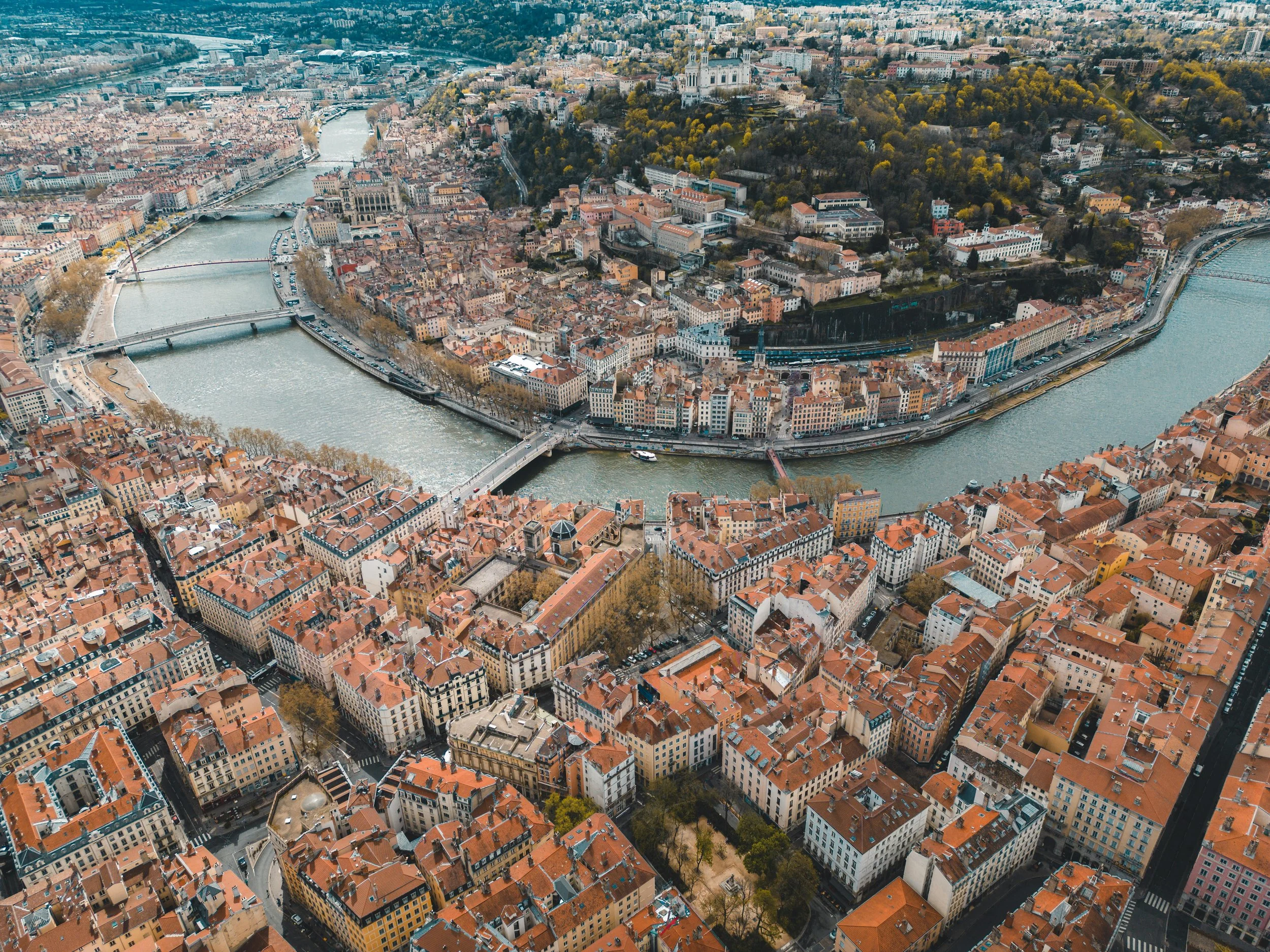
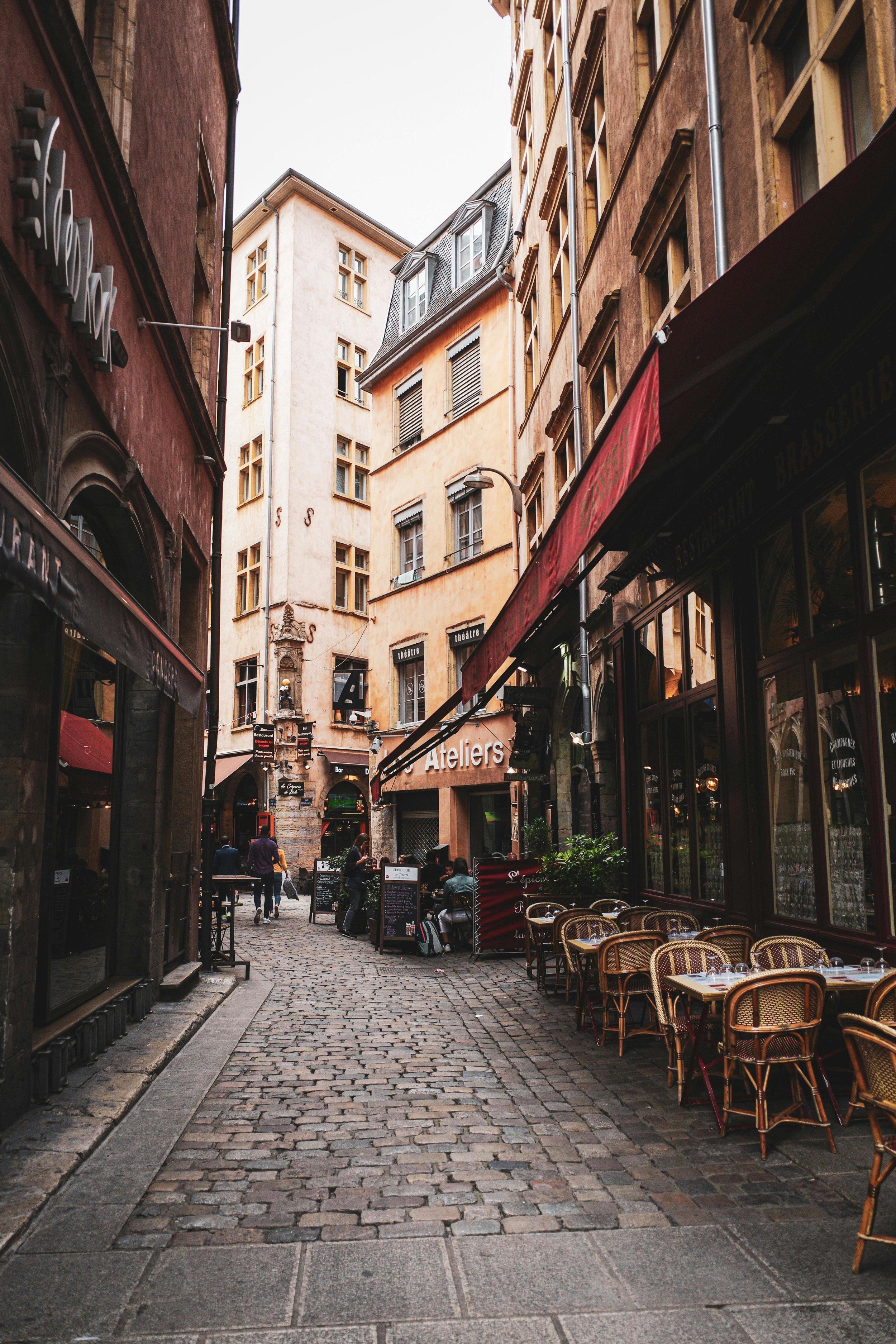
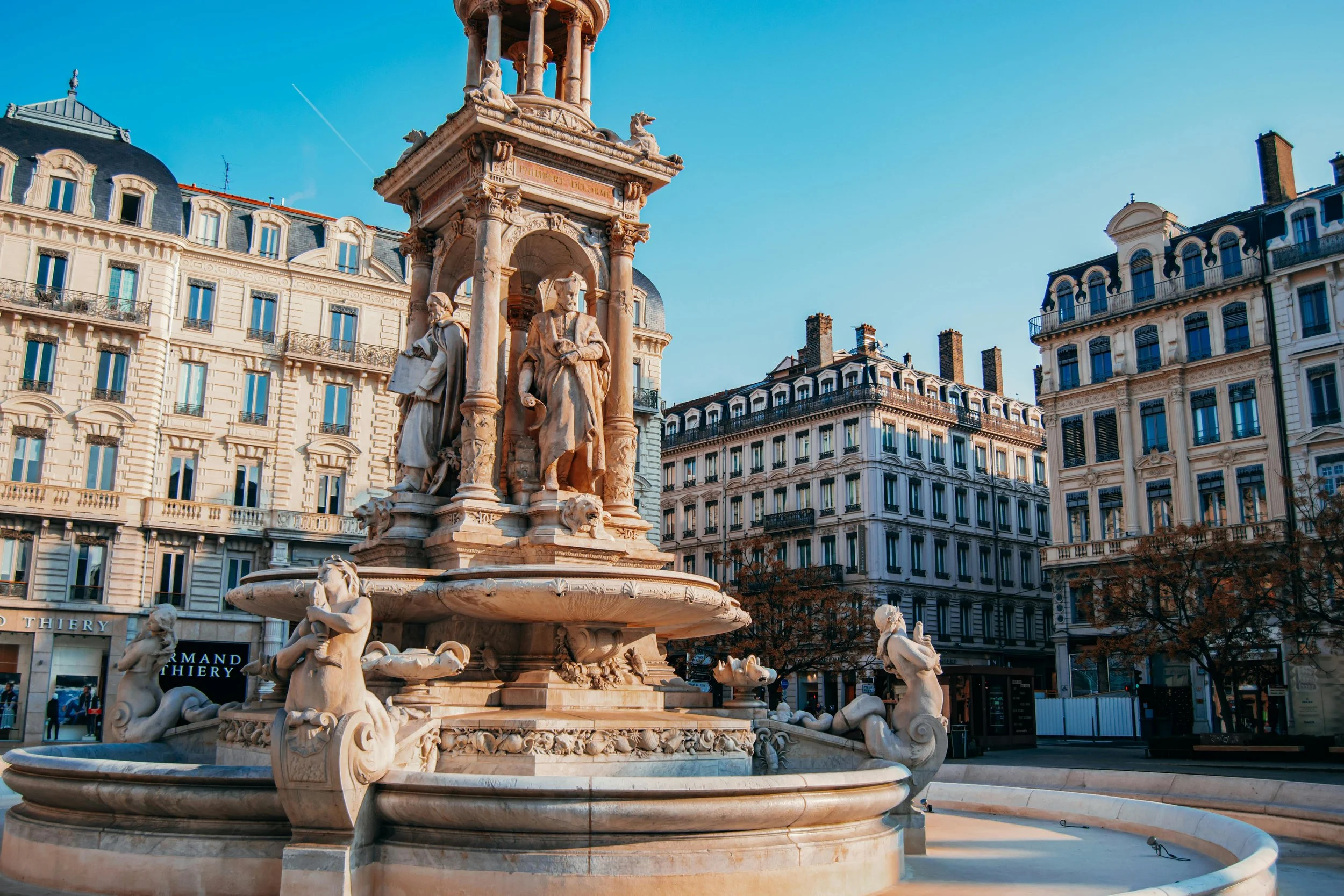
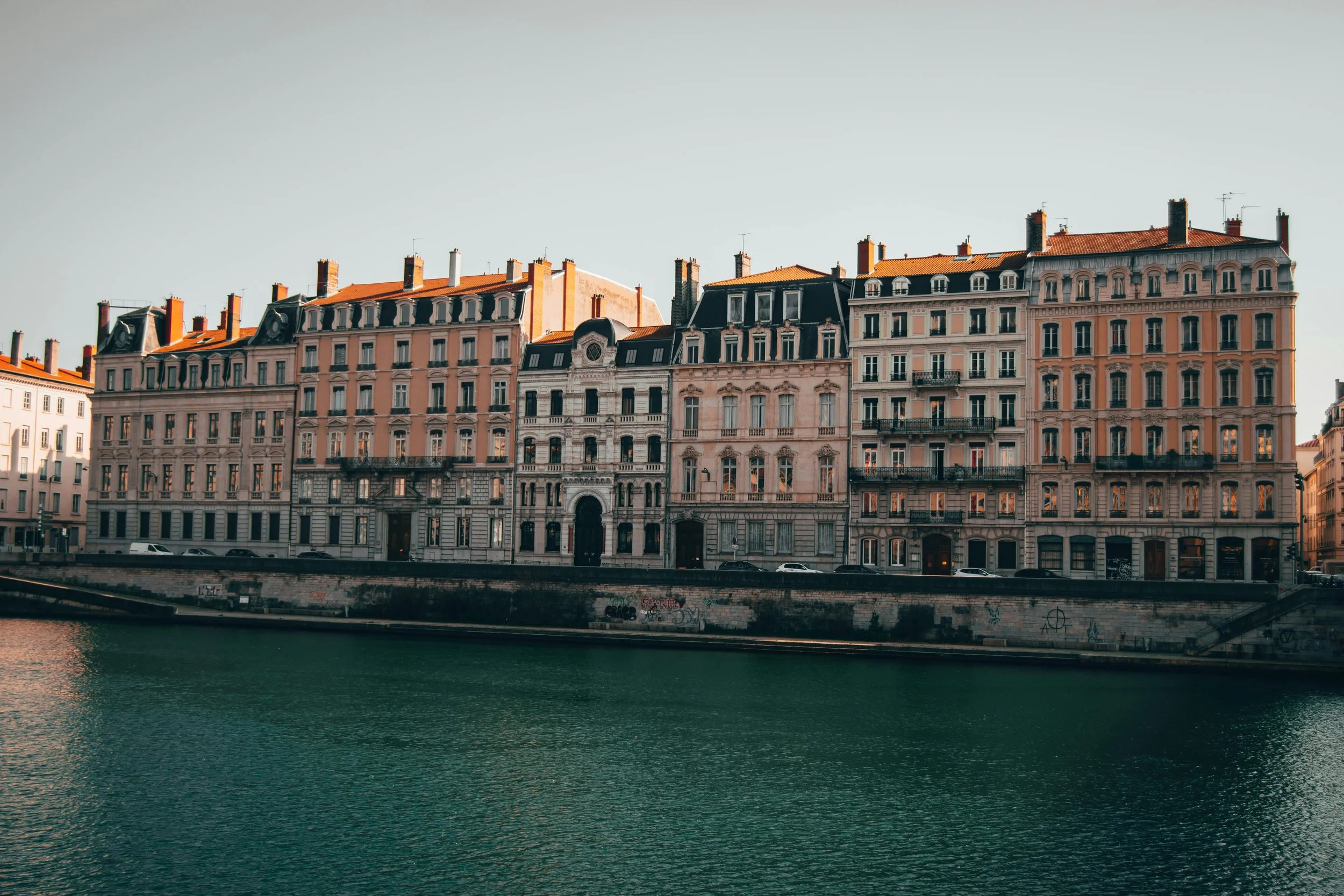
Lyon doesn't announce itself the way Paris does. It earns your devotion quietly, one impeccable meal at a time. Wedged between the Rhône and Saône rivers, France's gastronomic capital hides traditional bouchons down cobblestone lanes, where checkered tablecloths and handwritten menus promise dishes that have fed this city for centuries.
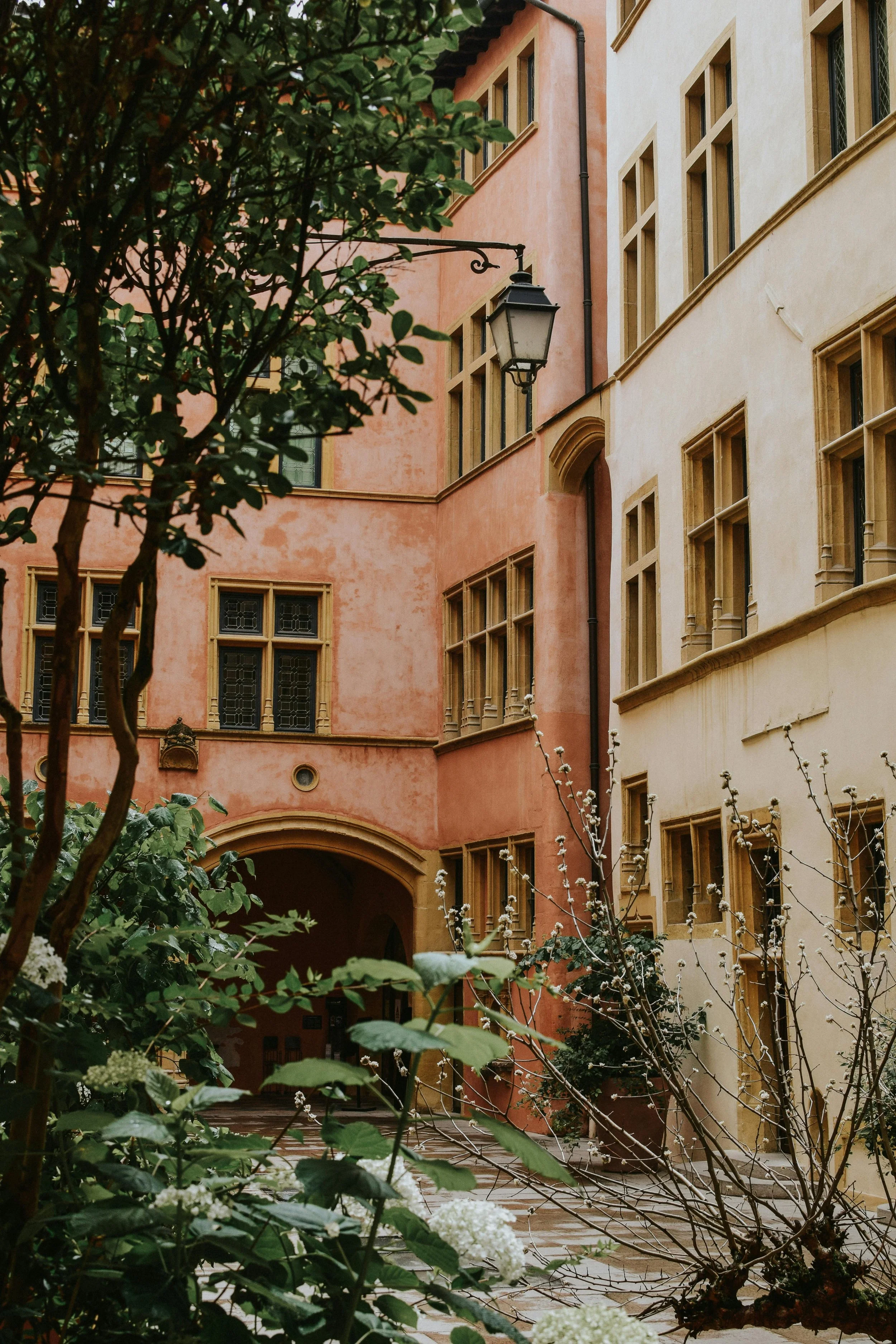
Paul Bocuse's legacy still shapes modern French cuisine here, while Les Halles market overflows with local cheeses, charcuterie, and seasonal bounty. Traboules - hidden Renaissance passageways - wind through Vieux Lyon like culinary treasure maps, while the slopes of Croix-Rousse reward climbers with panoramic views and neighborhood bistros locals guard fiercely.
Why Now?
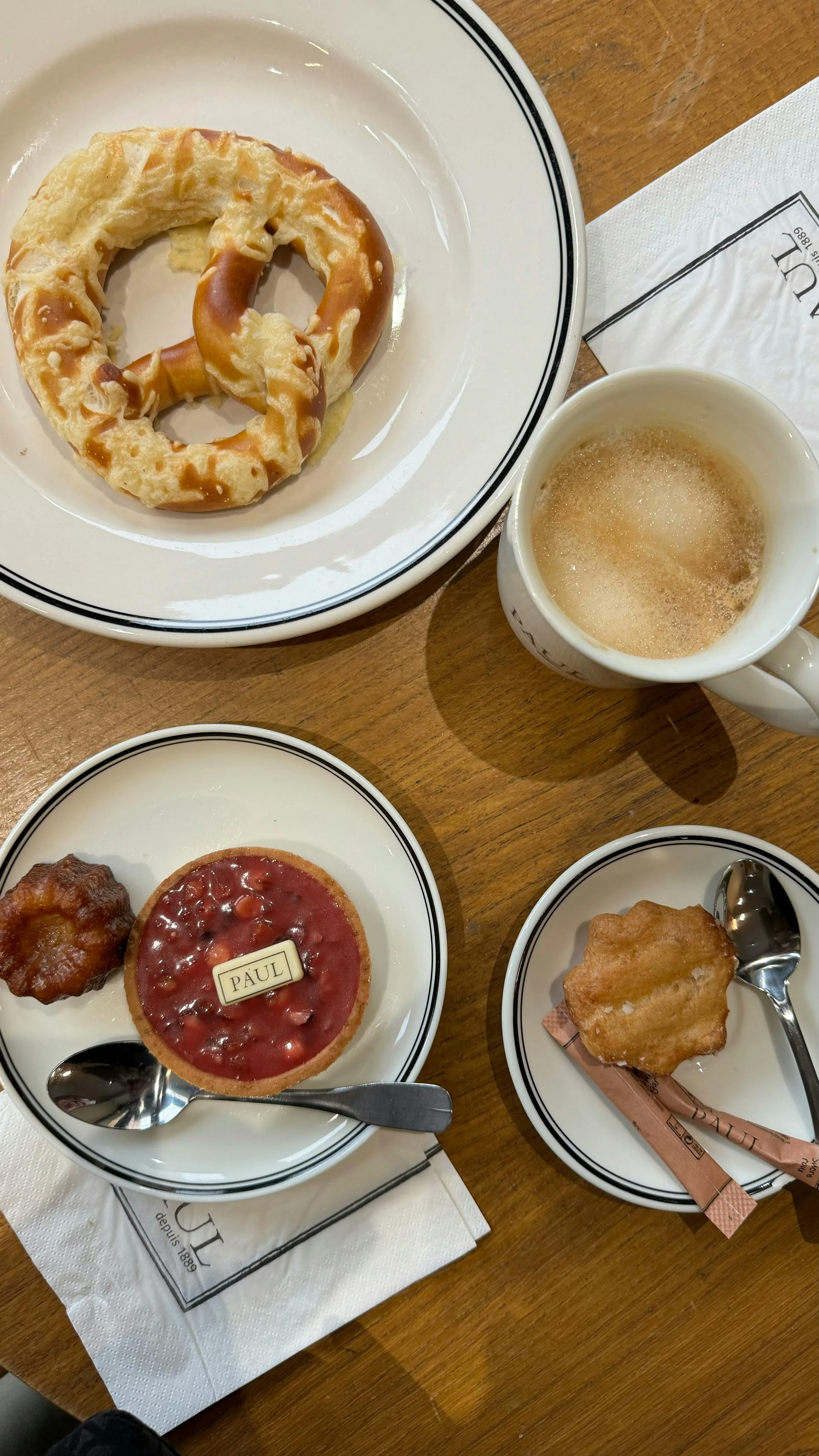
Fall and winter are when Lyon's food culture shines. Bouchons glow against shortened days, their windows steaming with pot-au-feu and quenelles. Locals celebrate the anticipated arrival of Beaujolais Nouveau in November and turn to the Festival of Lights in December to see architecture transformed into art.
Cold weather makes Lyon's hearty Lyonnaise cuisine feel essential rather than indulgent: exactly as it was meant to be experienced.
San Sebastián, Spain
Why San Sebastián?
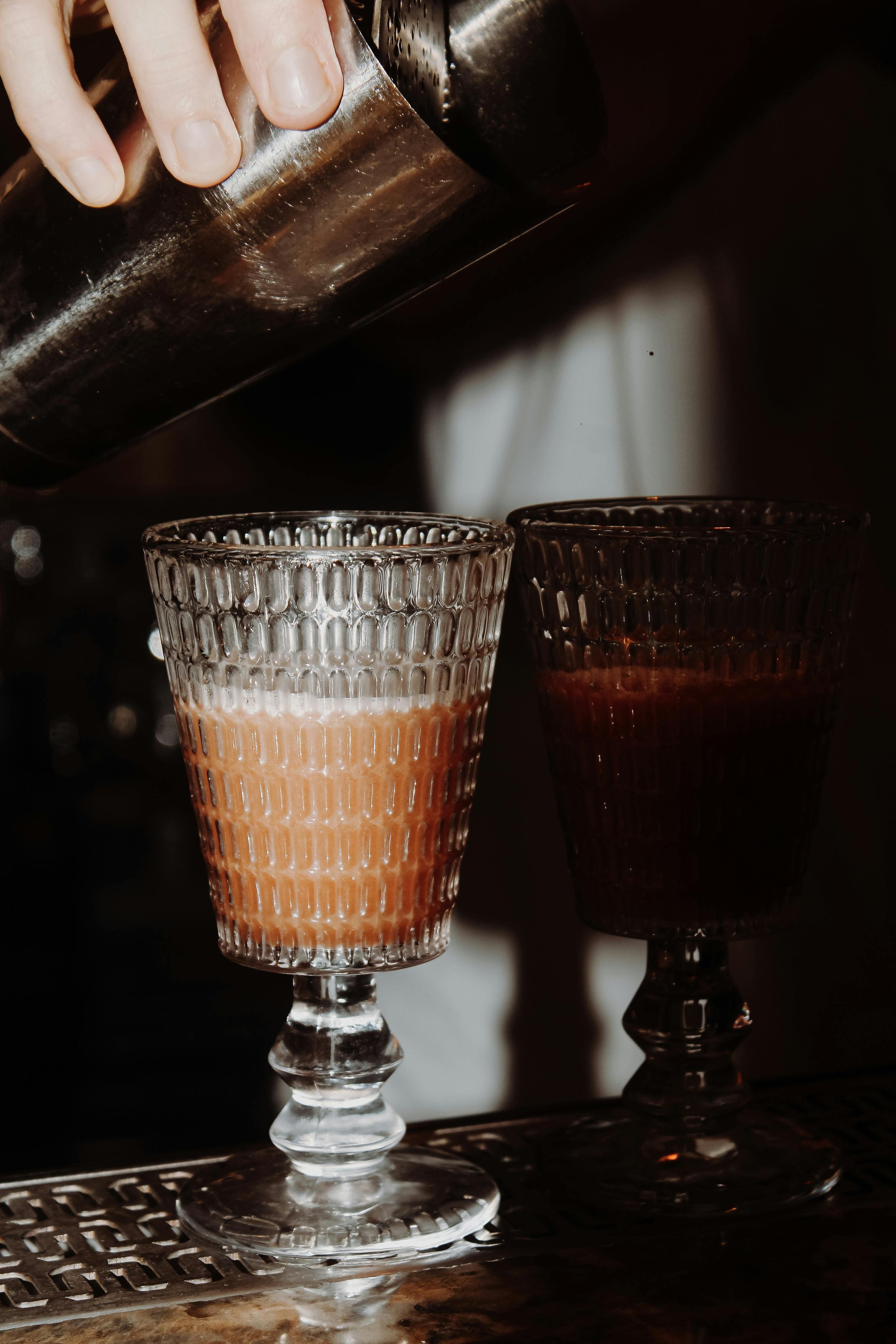
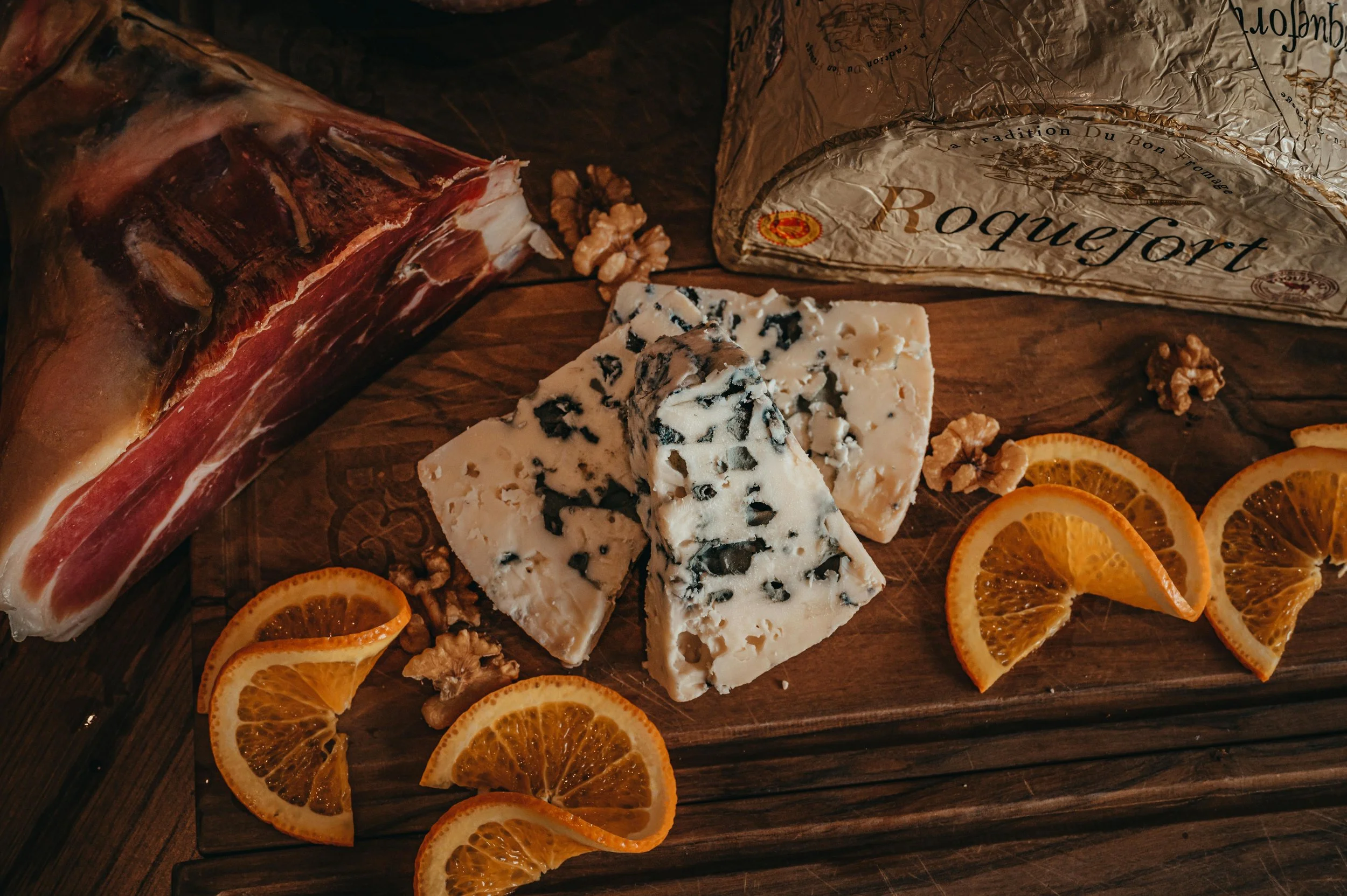
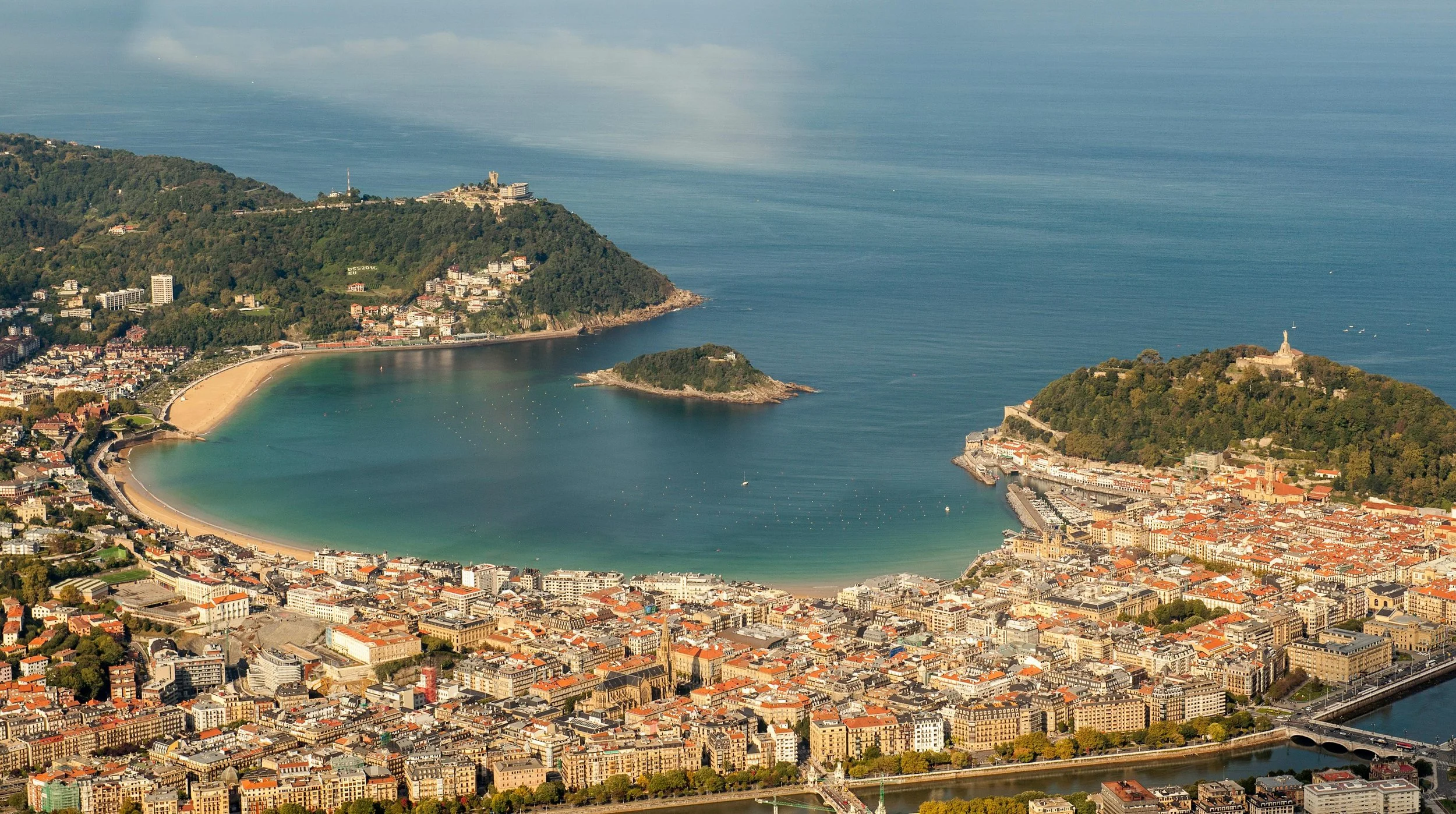
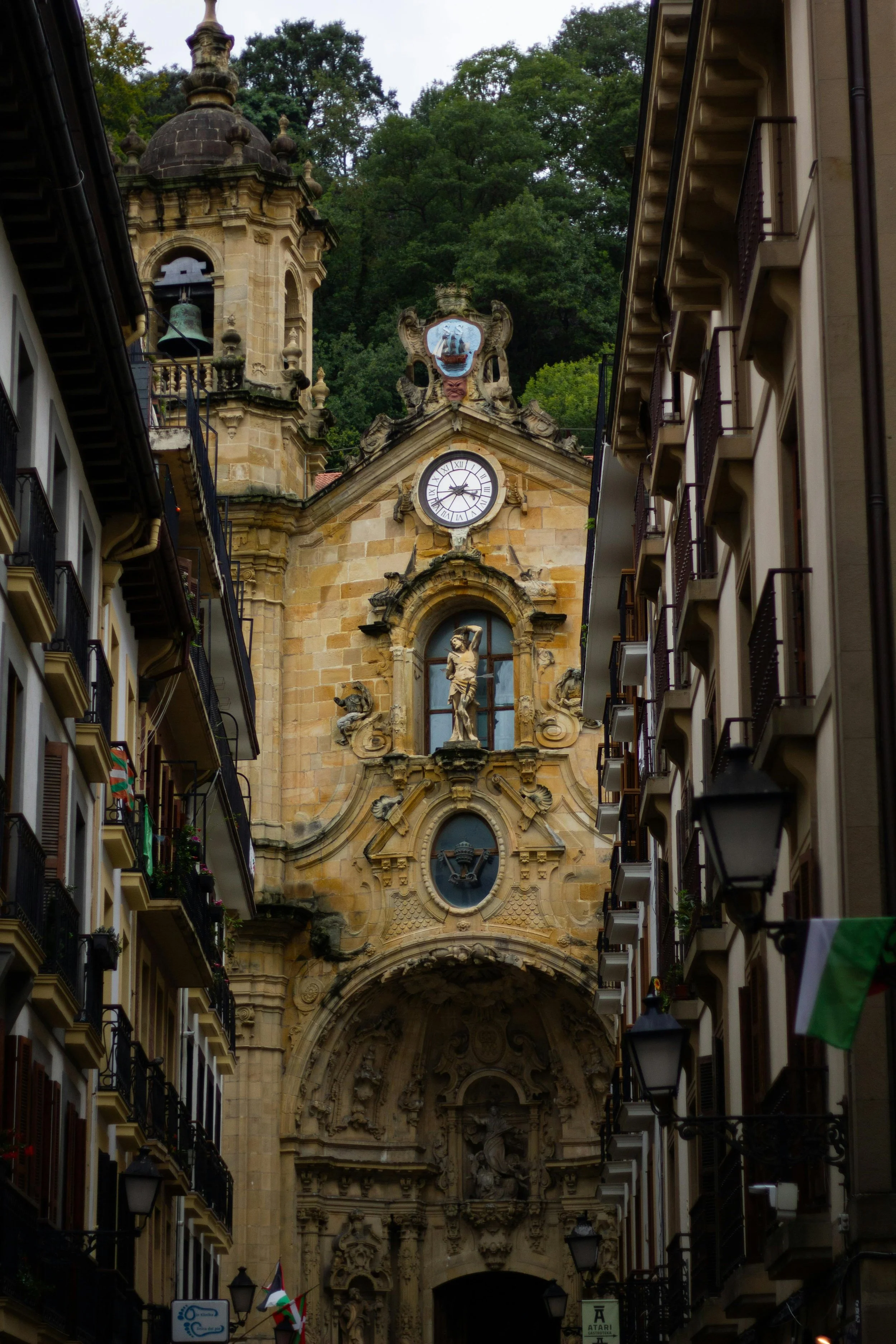
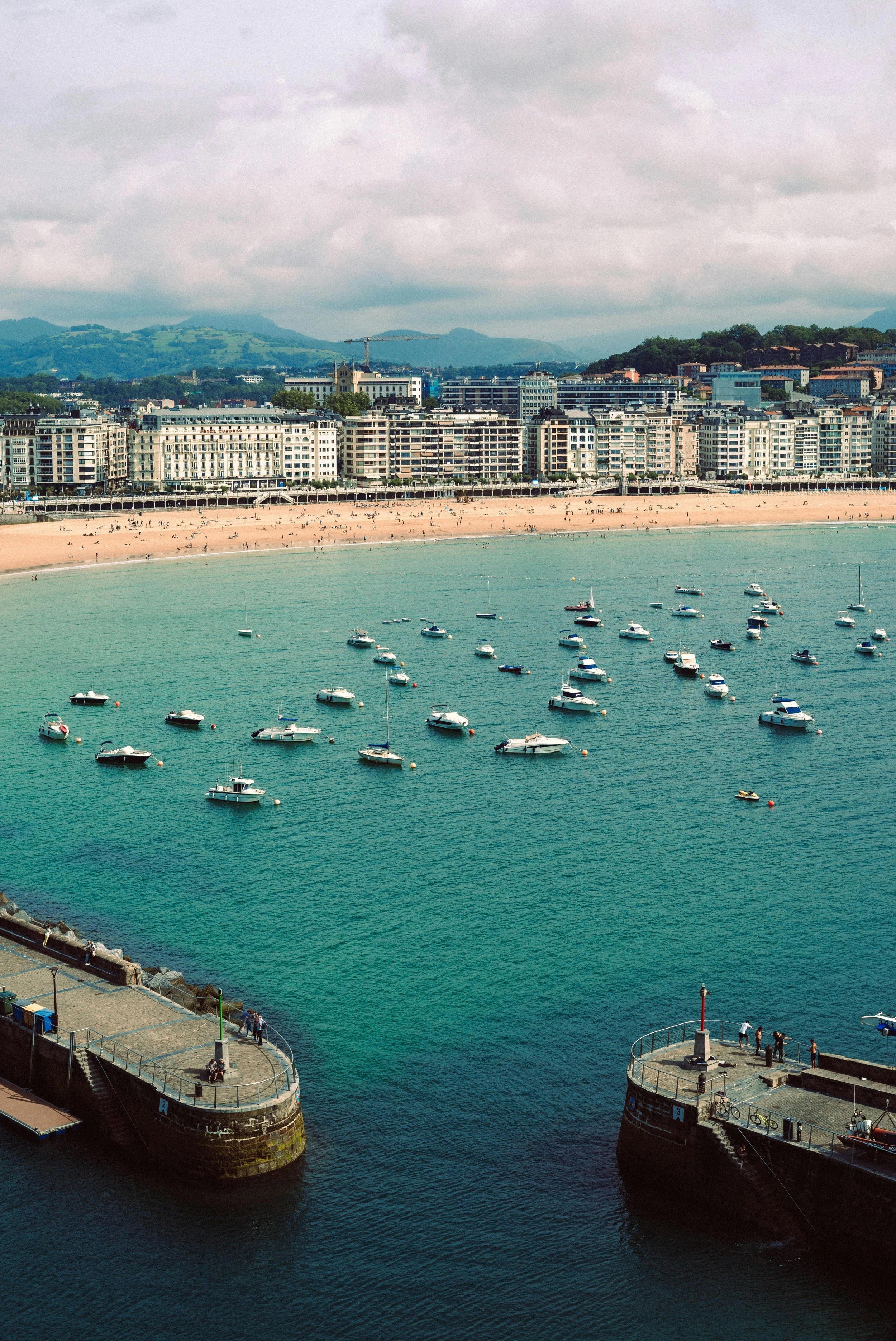
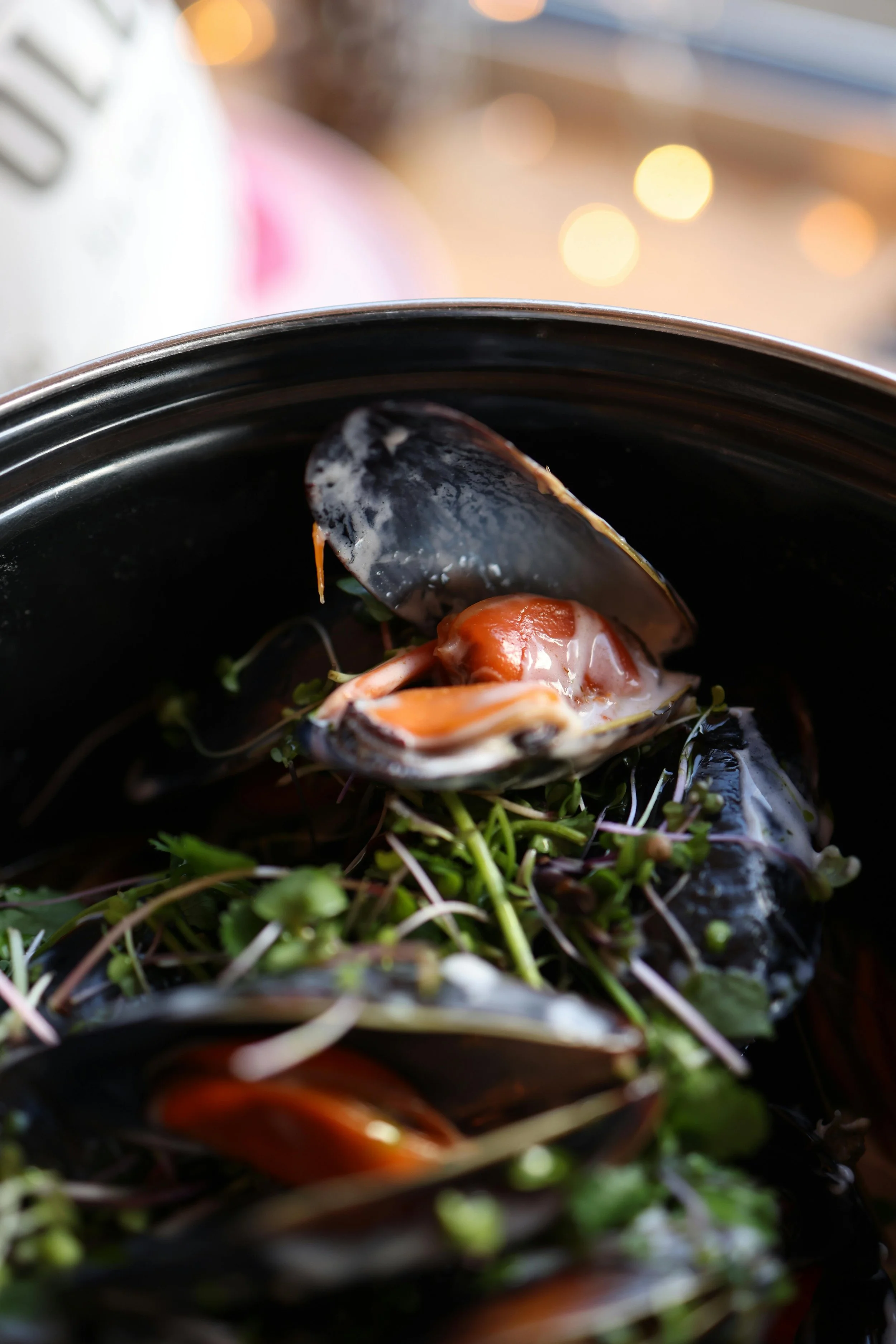
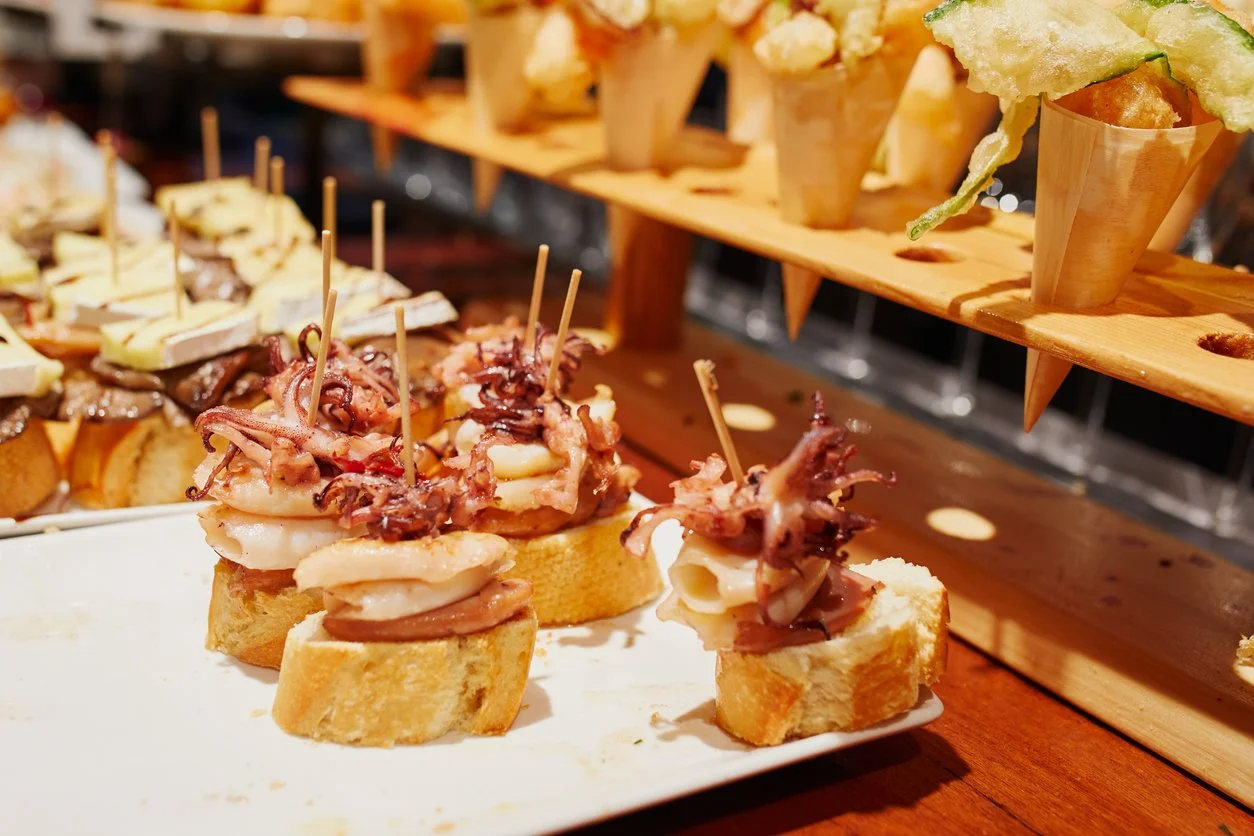
Basque Country's coastal jewel holds one of the world's highest concentrations of Michelin stars per capita, yet its soul lives in pintxos bars frequented by locals. La Concha beach curves like a crescent moon between green hills, while the old town's narrow streets pulse with txikiteo - the Basque social ritual punctuated with light bites, small drinks, and endless conversation.


Why Now?
The cooler seasons capture San Sebastián at peak flavor. Summer crowds dissipate while autumn brings wild mushrooms and the cider house season.
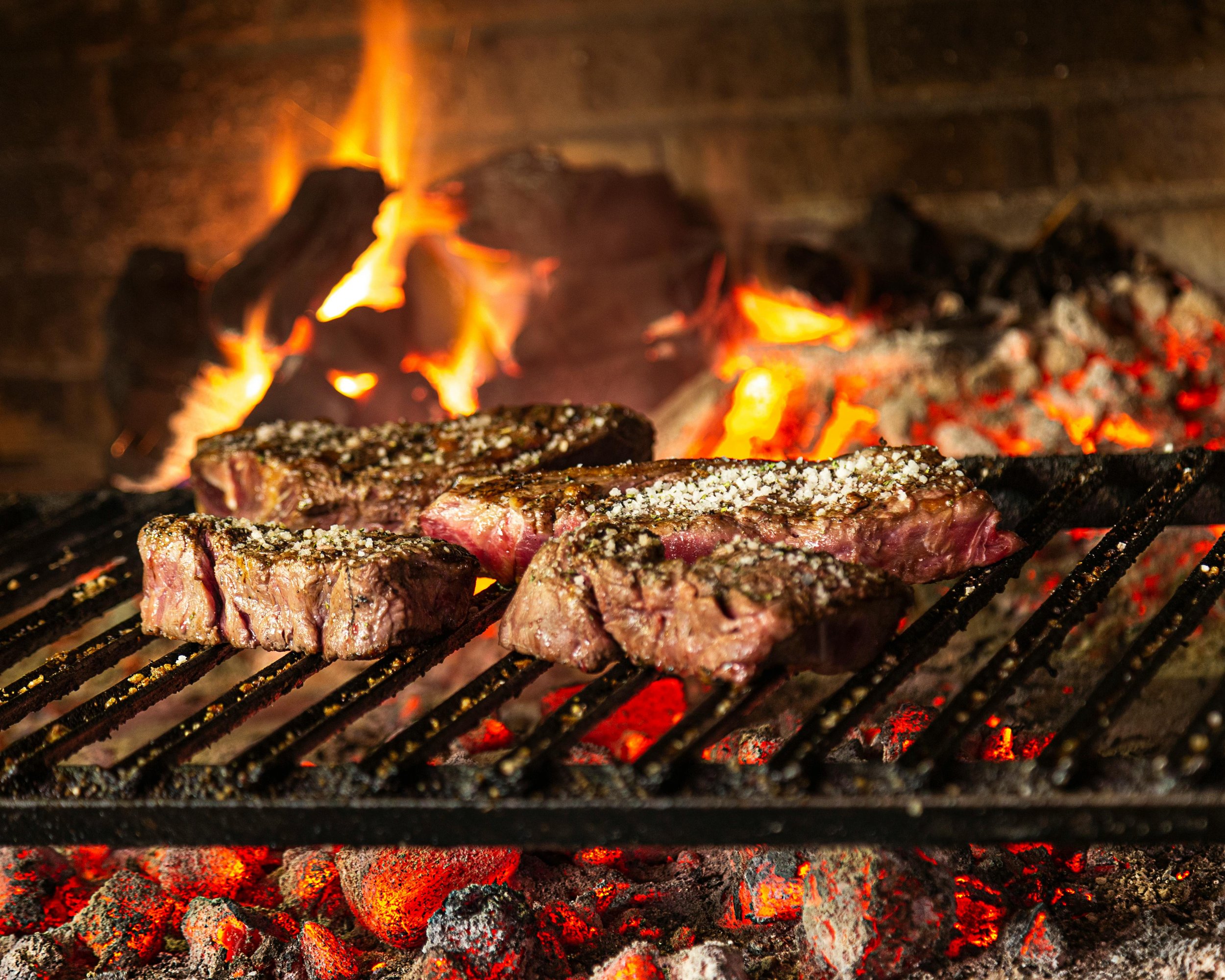
The International Film Festival in late September adds glamour to the culinary scene, and cooler temperatures make exploring the hillside neighborhoods pure pleasure. The magic extends well into winter, when locals retreat to asadores for wood-grilled dishes and conversations that stretch long into evening.
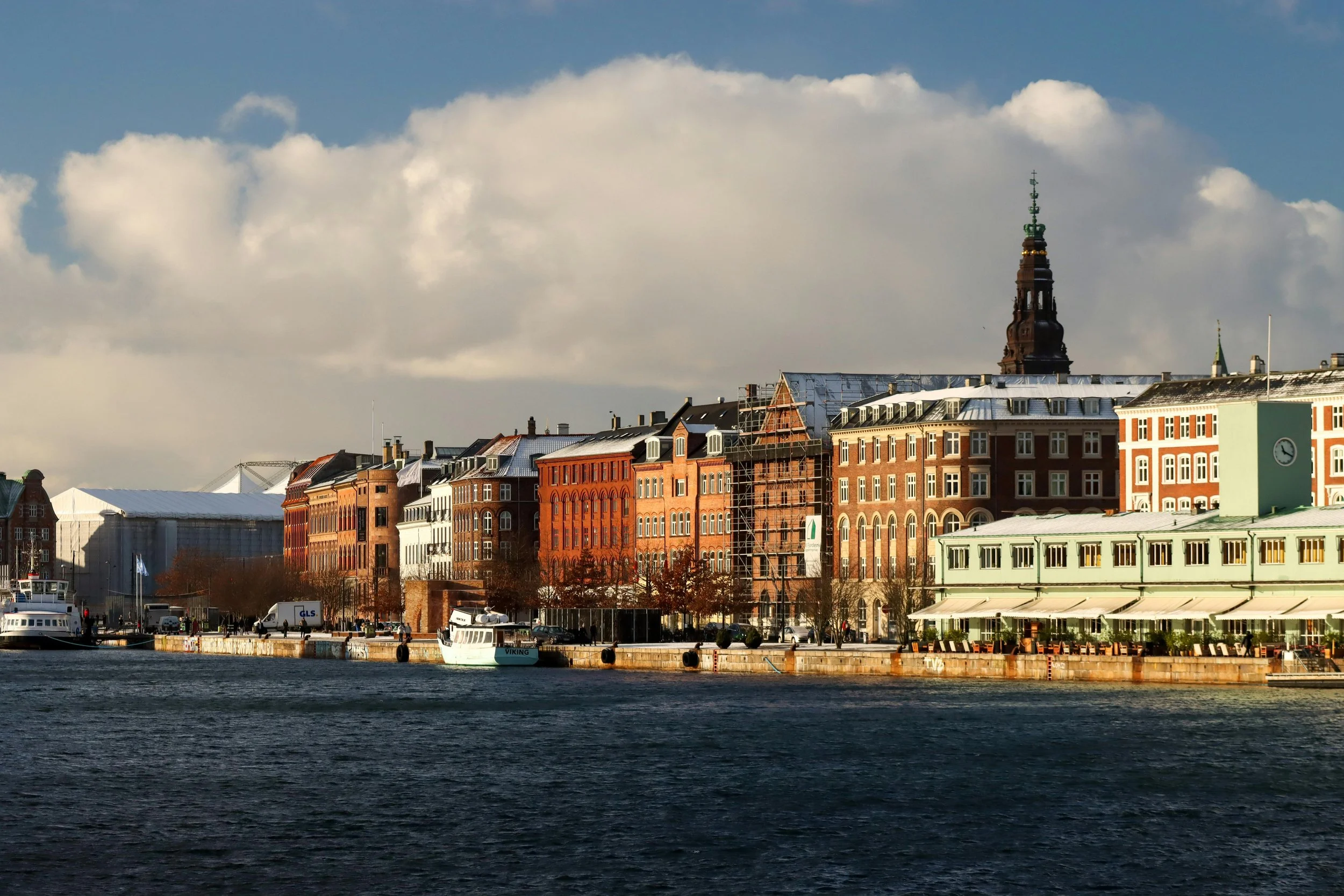
Copenhagen, Denmark
Why Copenhagen?
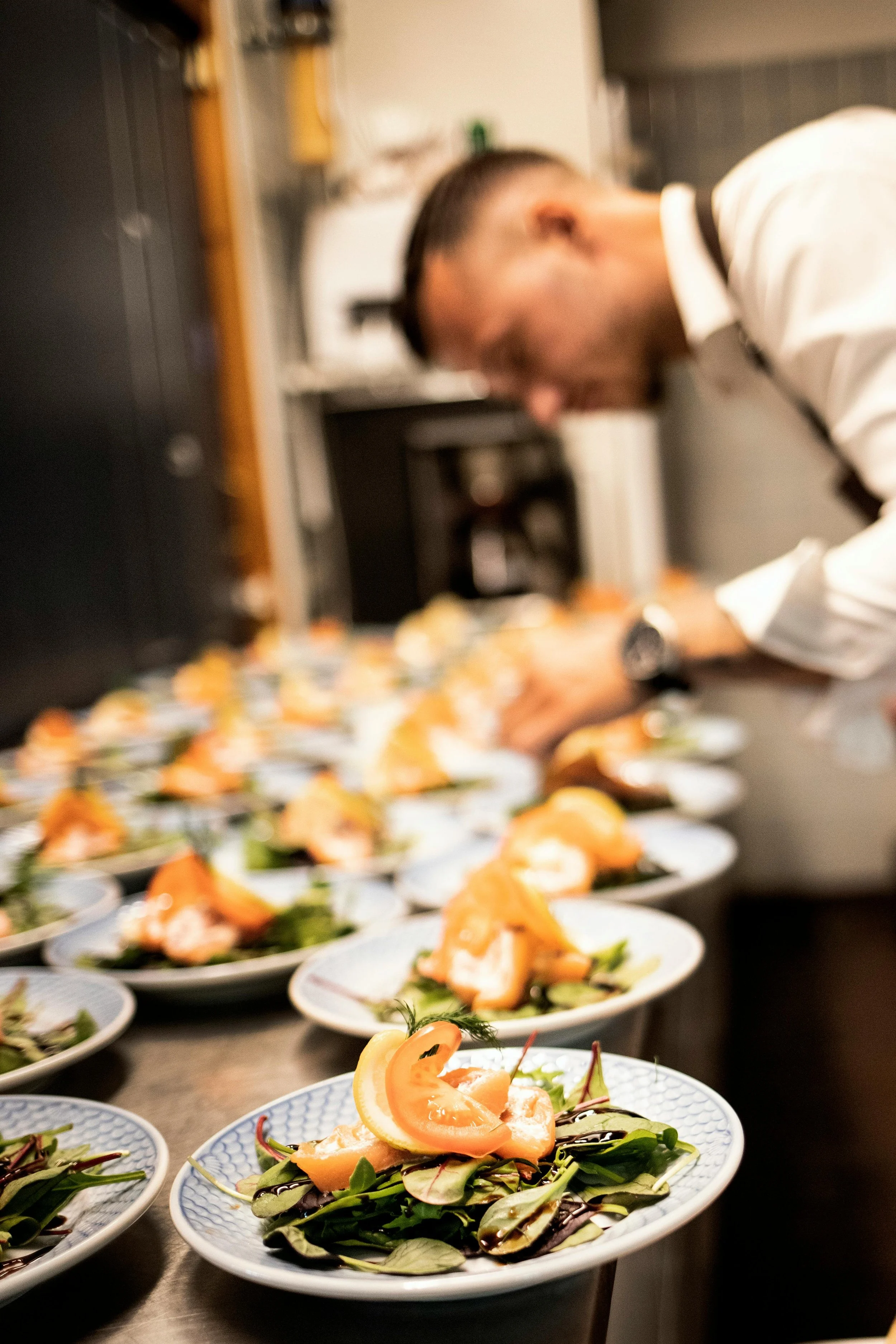
Copenhagen reimagined Nordic cuisine and never looked back. What began with Noma's foraging philosophy has blossomed into a city-wide movement where seasonality isn't trend but religion, and sustainability shapes every menu.
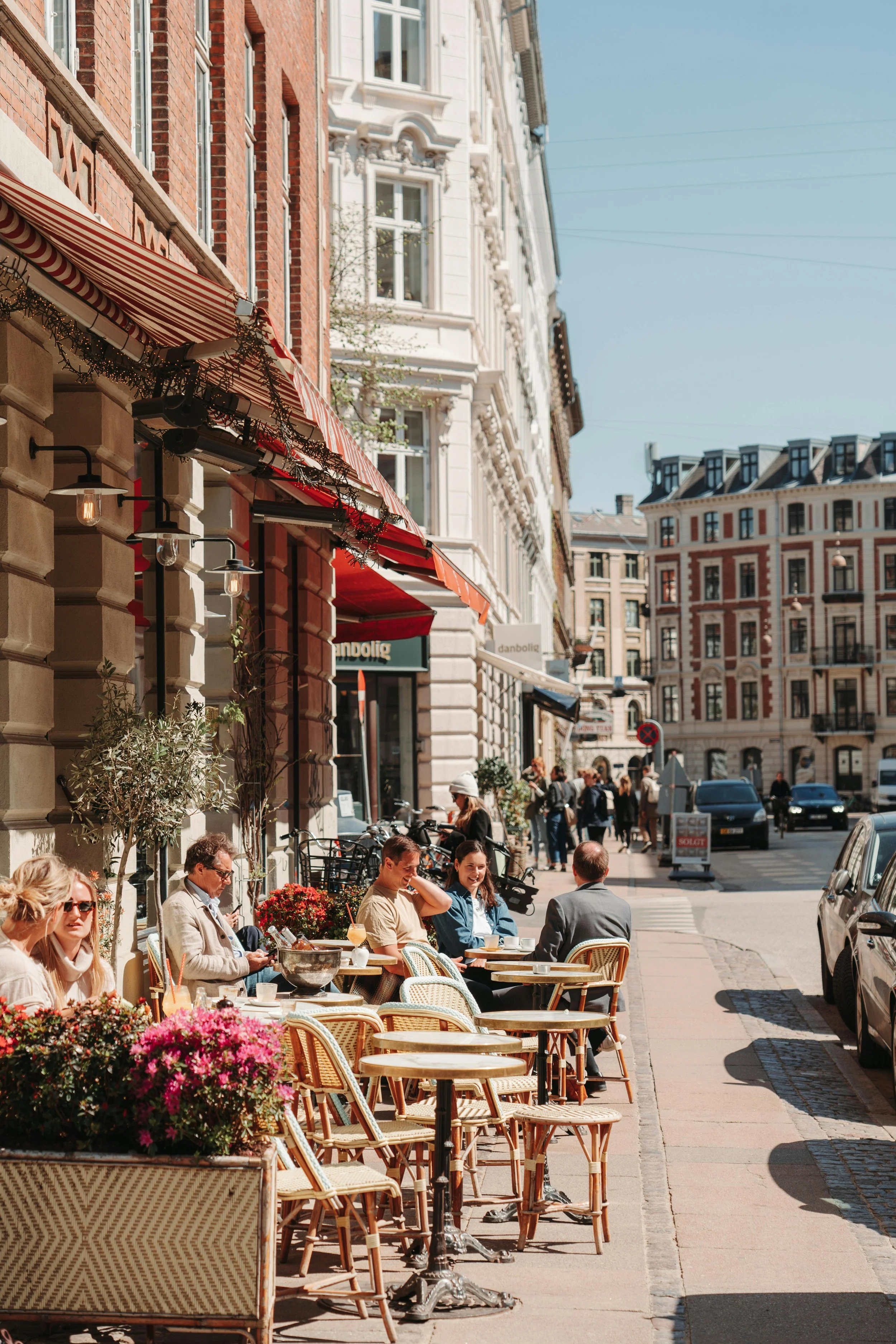
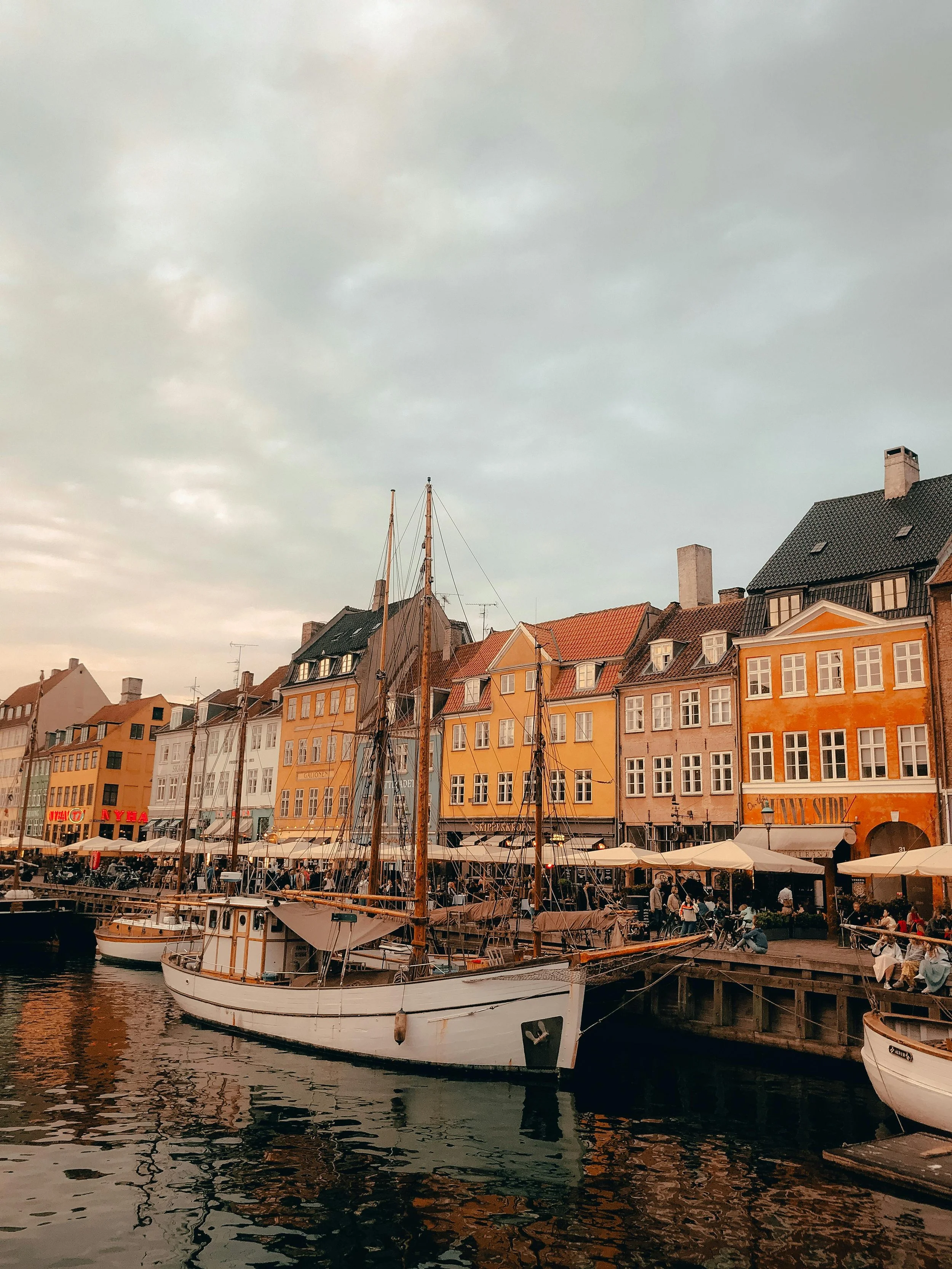
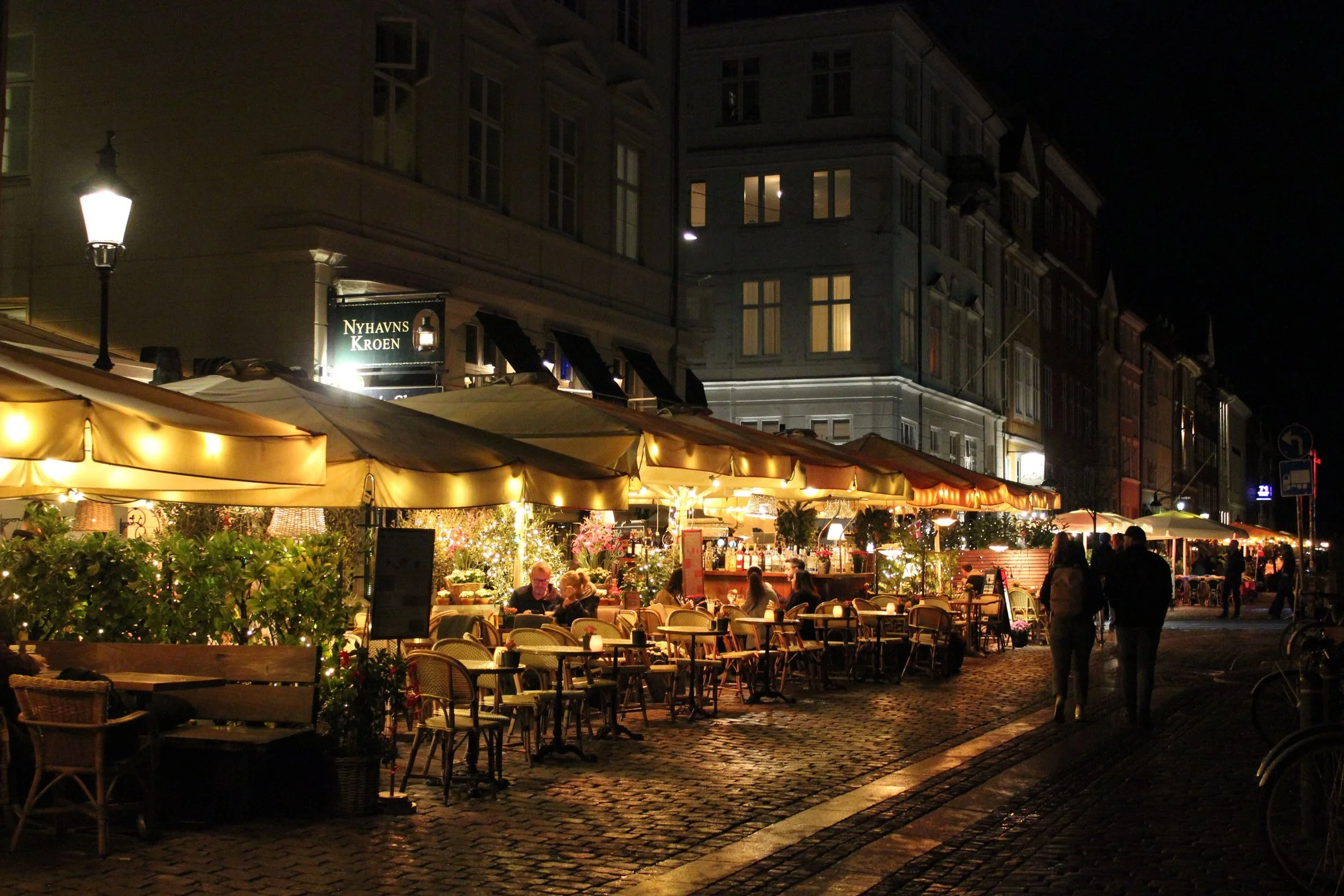
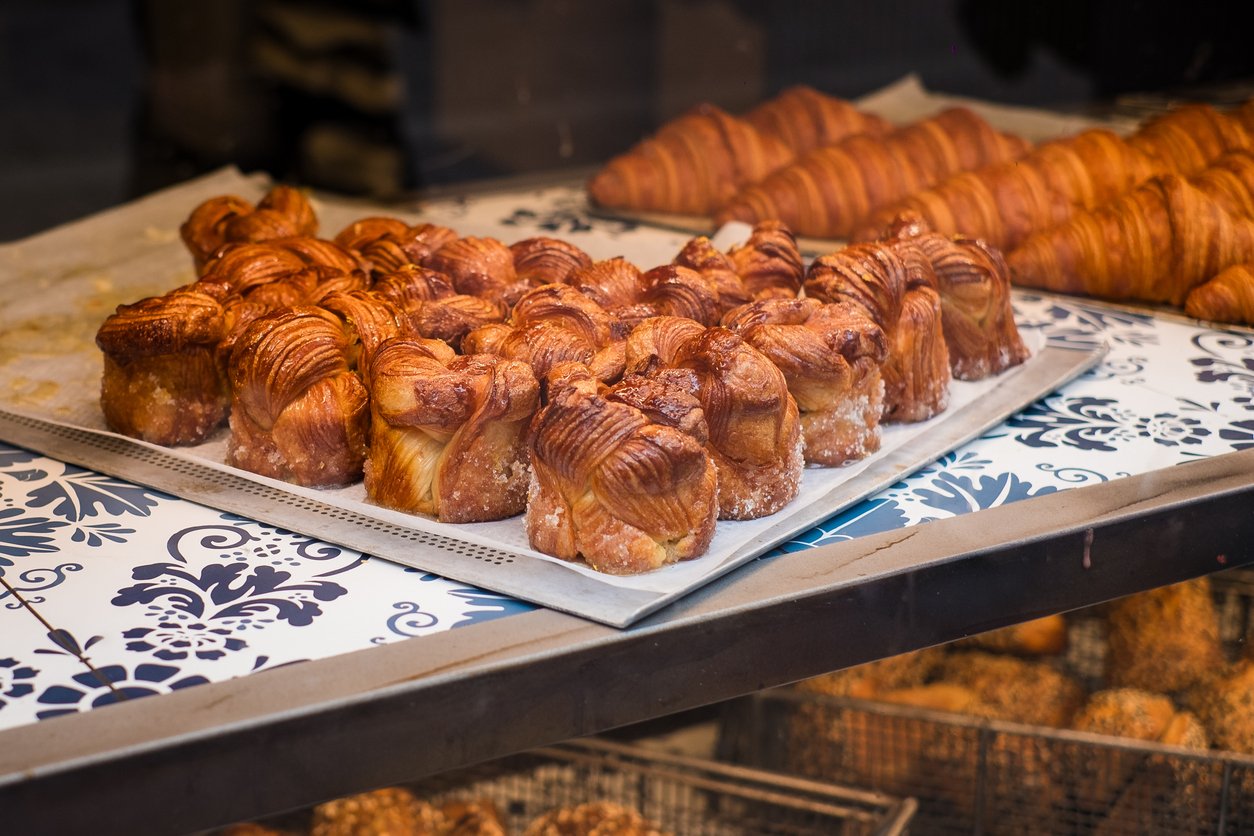
World-renowned restaurants cluster here like constellations, yet the real joy lives in neighborhood bakeries, unprententious cardamom buns and open-faced smørrebrød at bustling lunch counters. Torvehallerne market buzzes with organic producers while the canal neighborhoods of Nyhavn and Christianshavn offer both historic charm and cutting-edge food culture.

Why Now?
Copenhagen excels in cozy, winter darkness. Hygge becomes a lifestyle defined by candlelight, communal dining, long meals and warming dishes that celebrate hearty ingredients.
This is prime time for the city's famous Nordic food halls. Christmas markets add festive energy, and shorter days mean you can catch both sunrise and sunset without disrupting your dinner reservation.
Marrakech, Morocco
Why Marrakech?
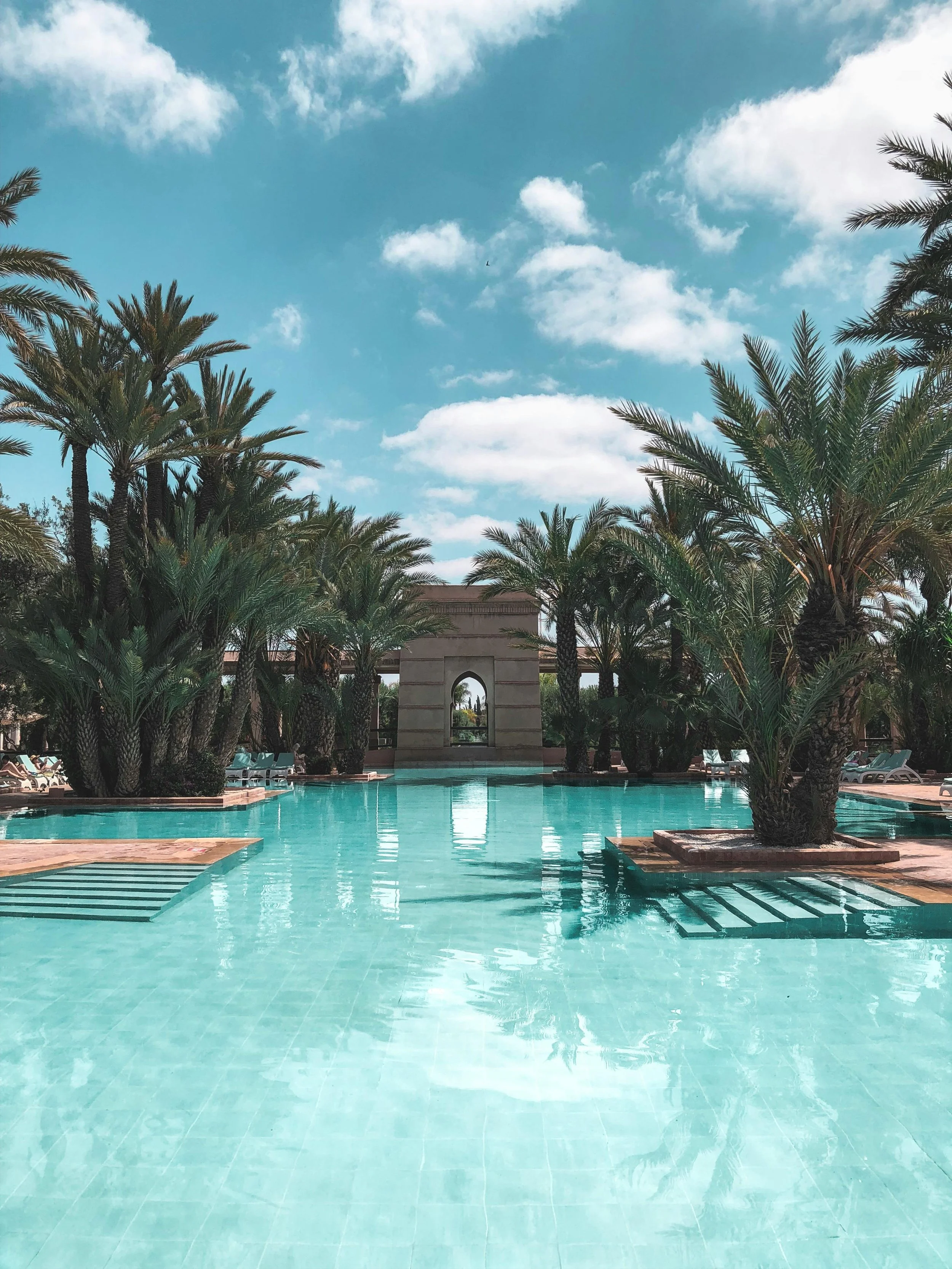
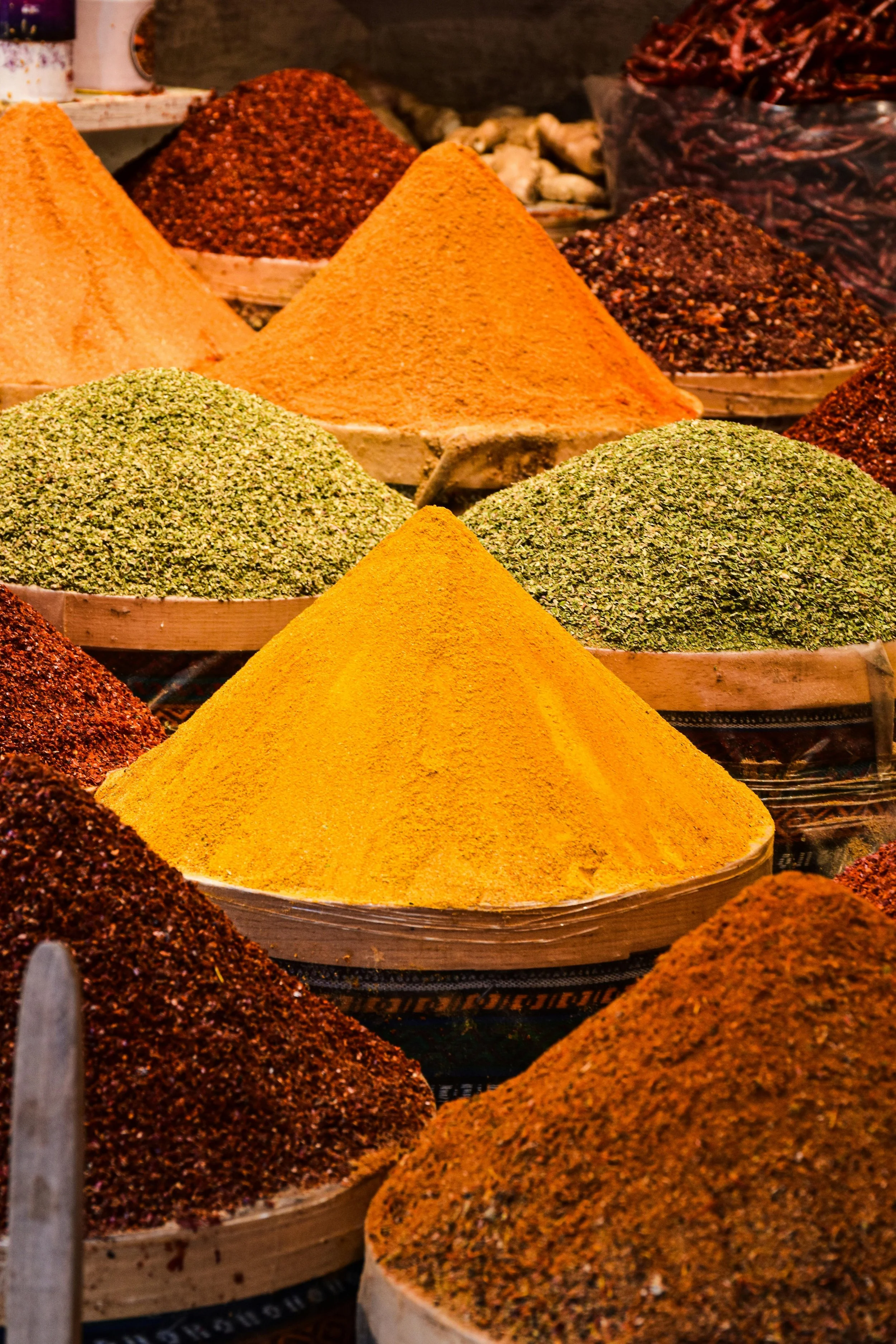
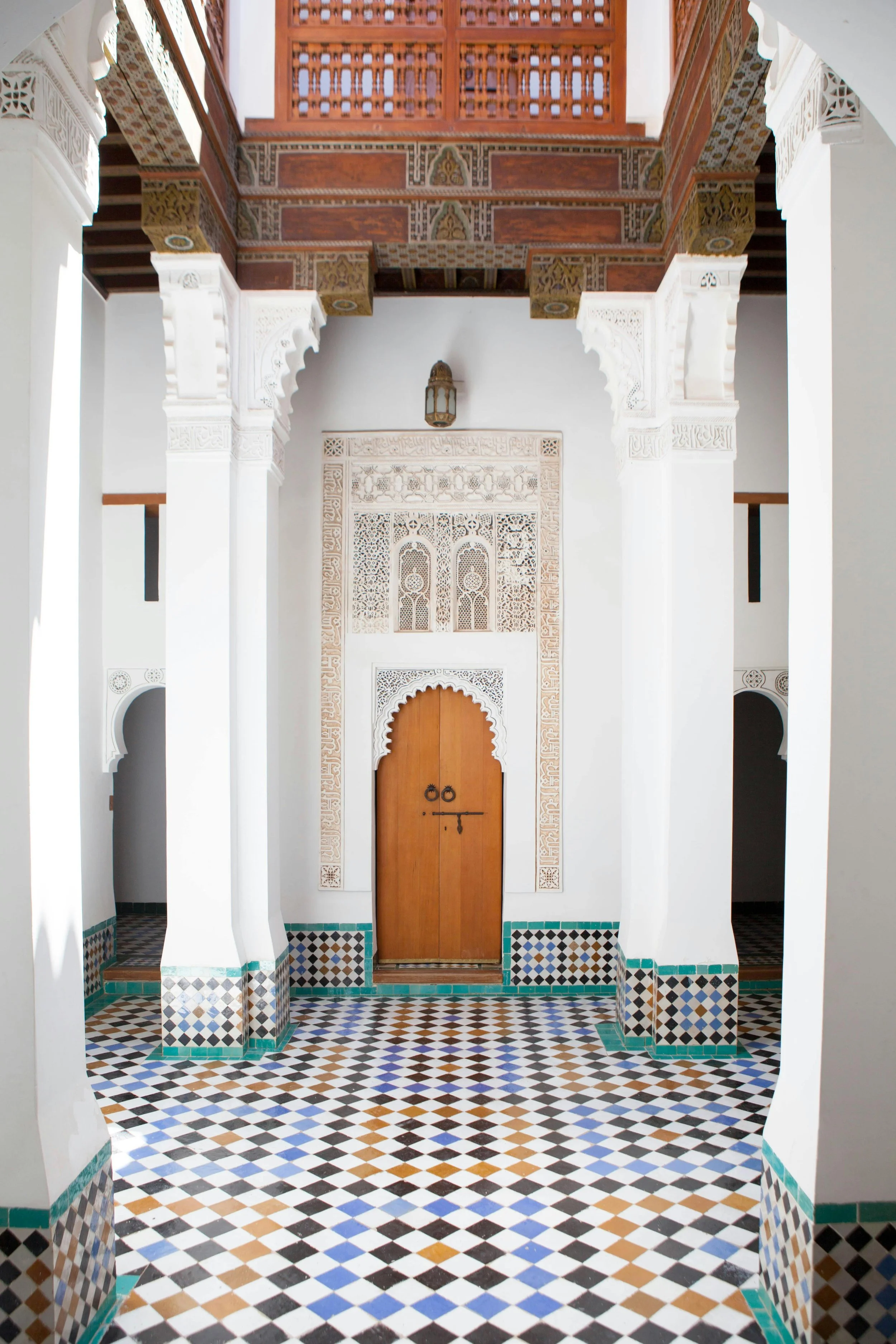
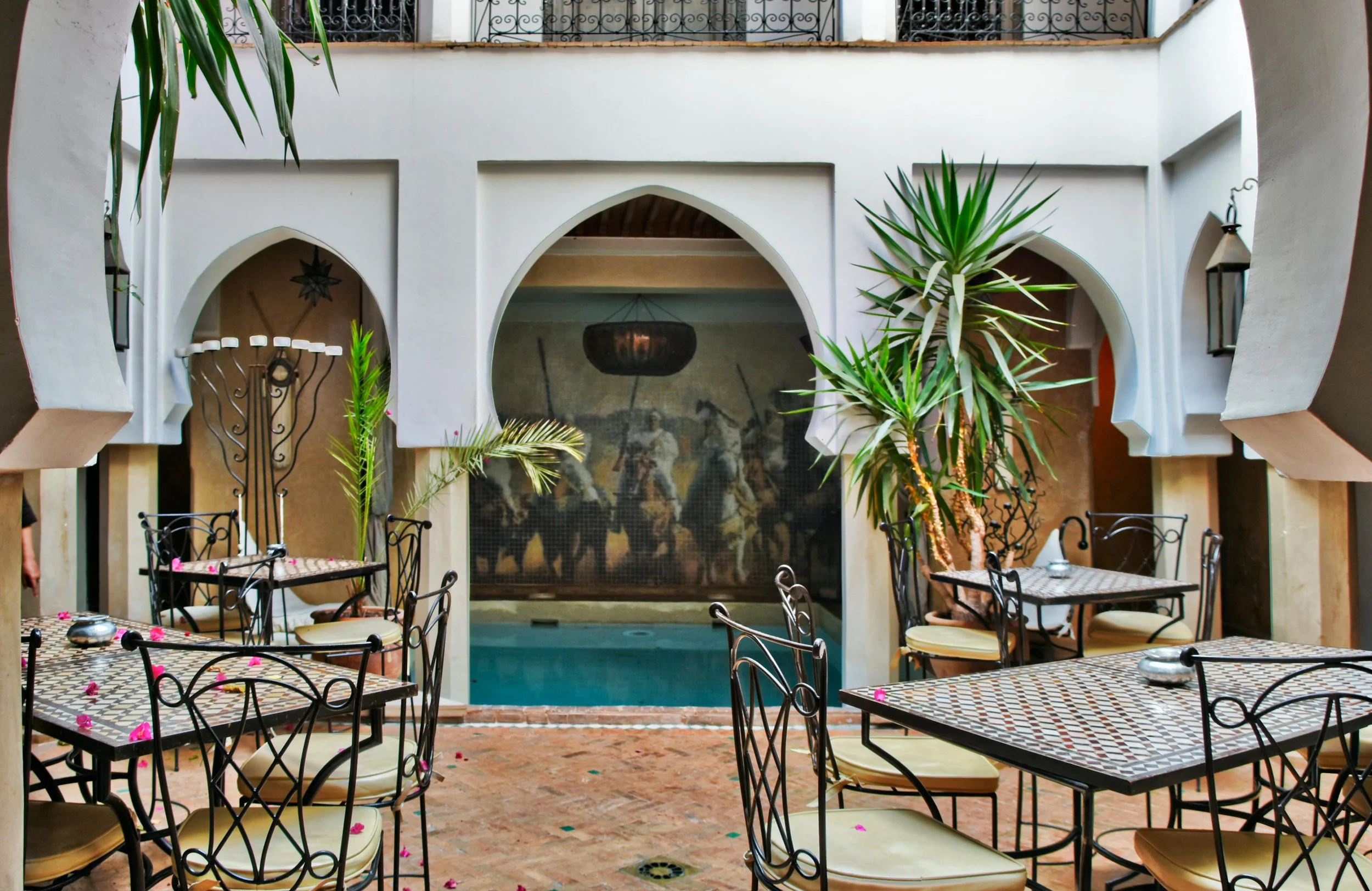
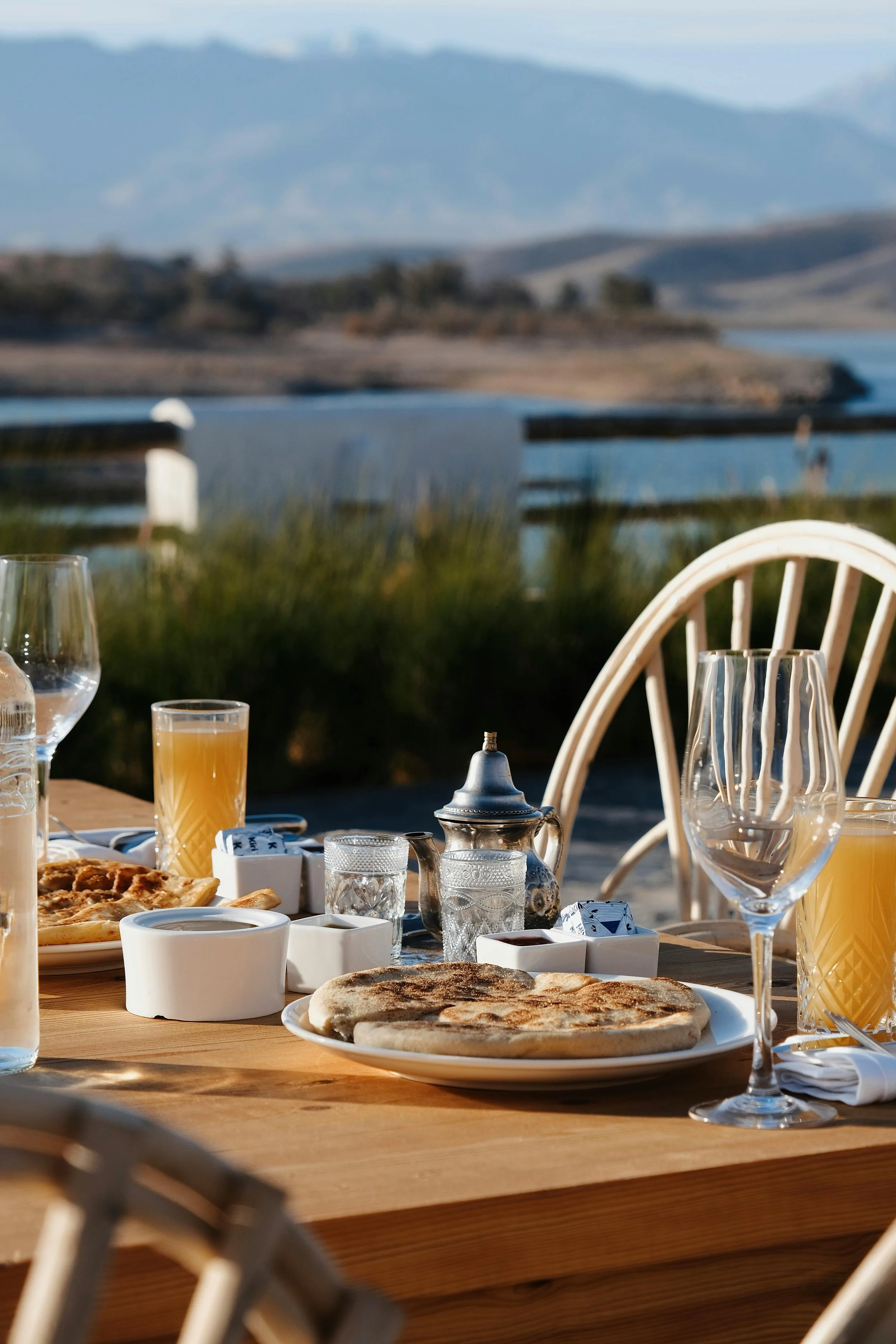
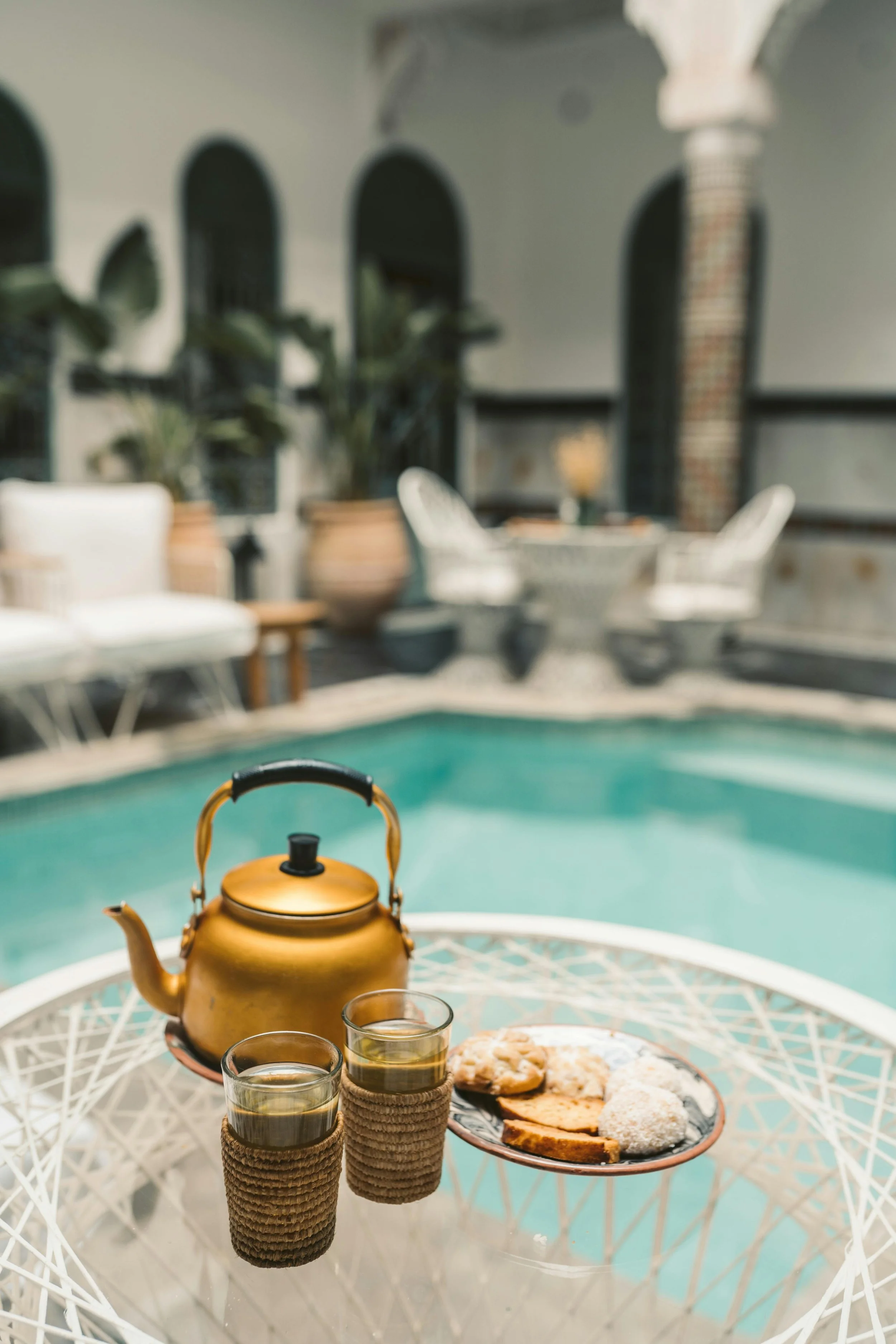
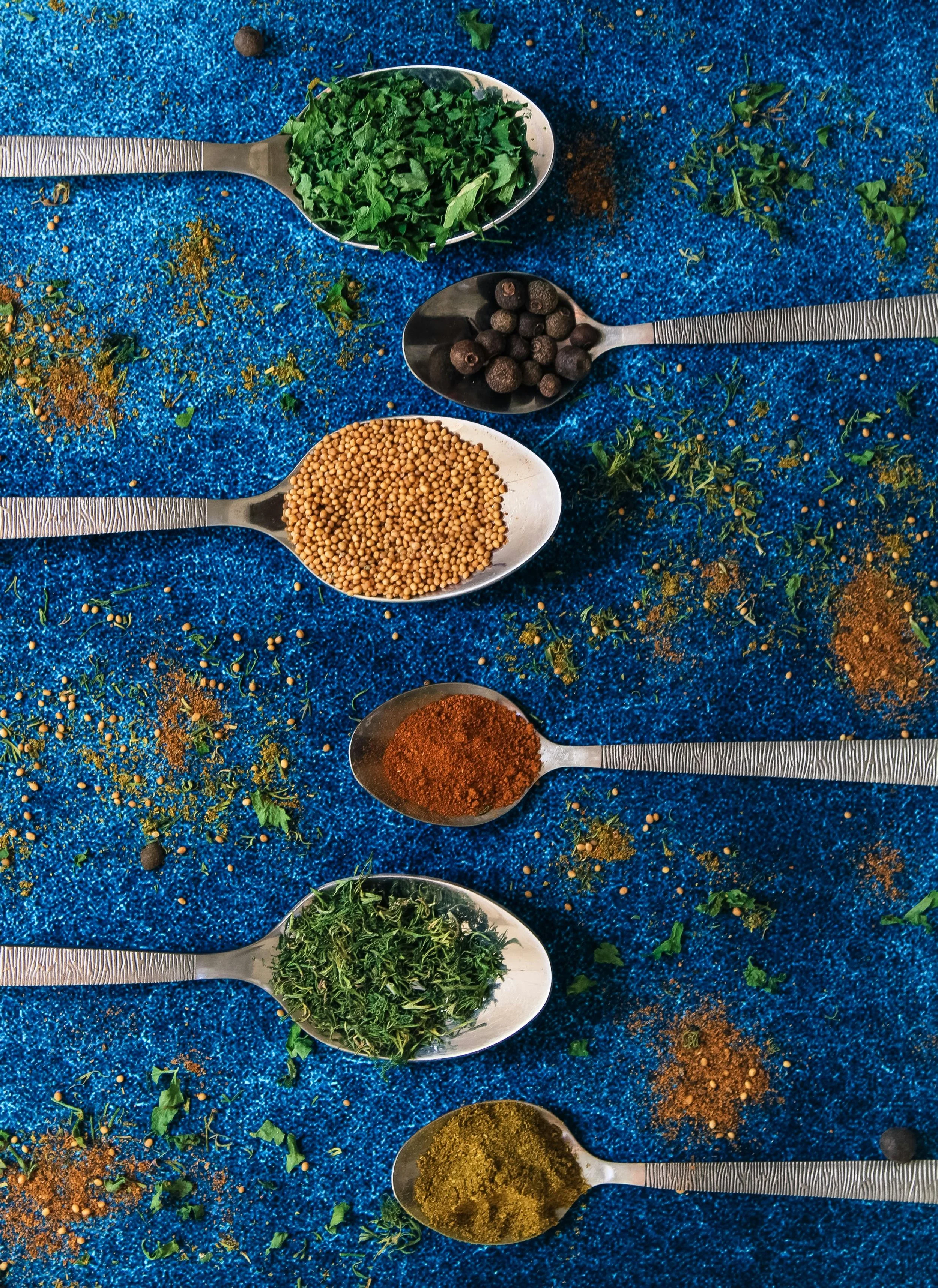
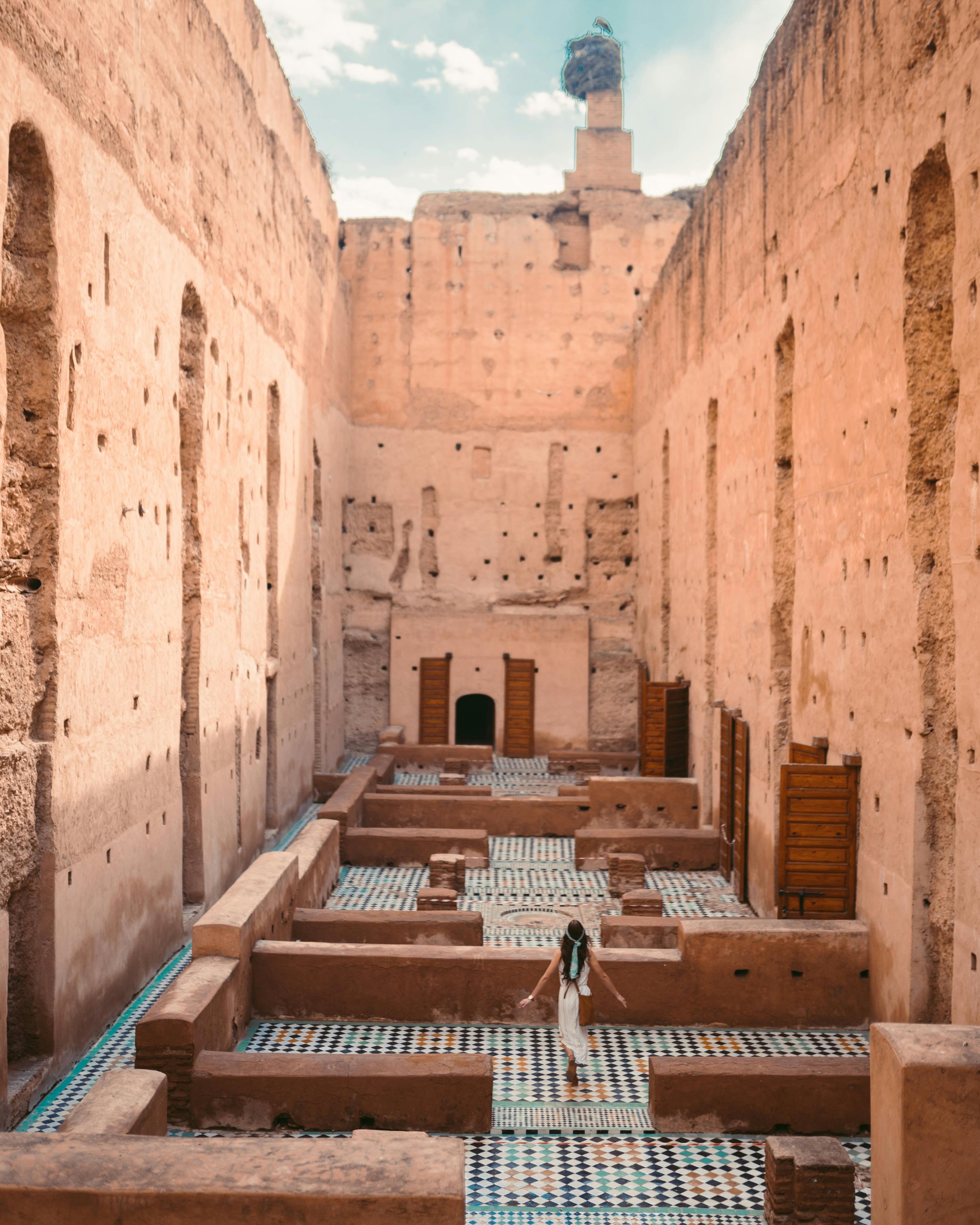
Marrakech consumes the senses in the most delightful way. Saffron and cumin perfume the air while tagine steam rises from every corner of the medina. The souks overflow with pyramids of spices, fresh mint for tea, and preserved lemons that define Moroccan cuisine. Palace restaurants hidden behind unmarked doors serve elaborate feasts on hand-painted tiles, while street vendors grill merguez in Jemaa el-Fna square. Cooking schools teach centuries-old techniques in restored riads, and rooftop terraces offer sunset views over the Atlas Mountains with pastilla and sweet mint tea.
Why Now?
October through March delivers Marrakech at its most comfortable and flavorful. Summer heat yields to pleasant days perfect for navigating the medina's maze. Orange season peaks, filling markets with citrus for salads and tagines.
The city's gardens are fit for leisurely strolls after the peak summer season has slowed. Crisper temperatures bring heartier dishes: warming harira soup, slow-cooked tangia, and honey-soaked pastries that taste even better when the evening chill rolls in. This is the season to enjoy the city's legendary hammams with comfort and ease.
Seoul, South Korea
Why Seoul?
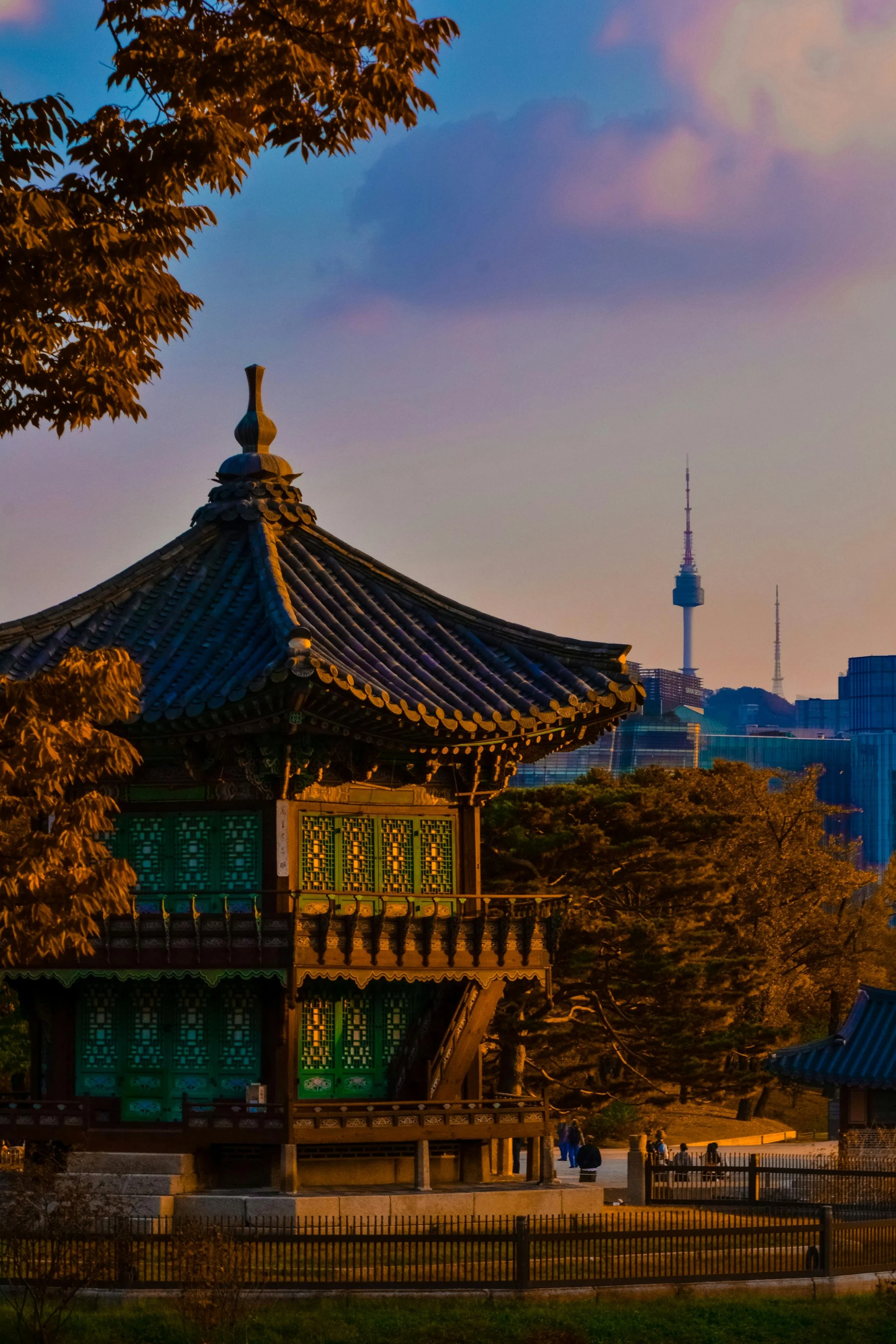
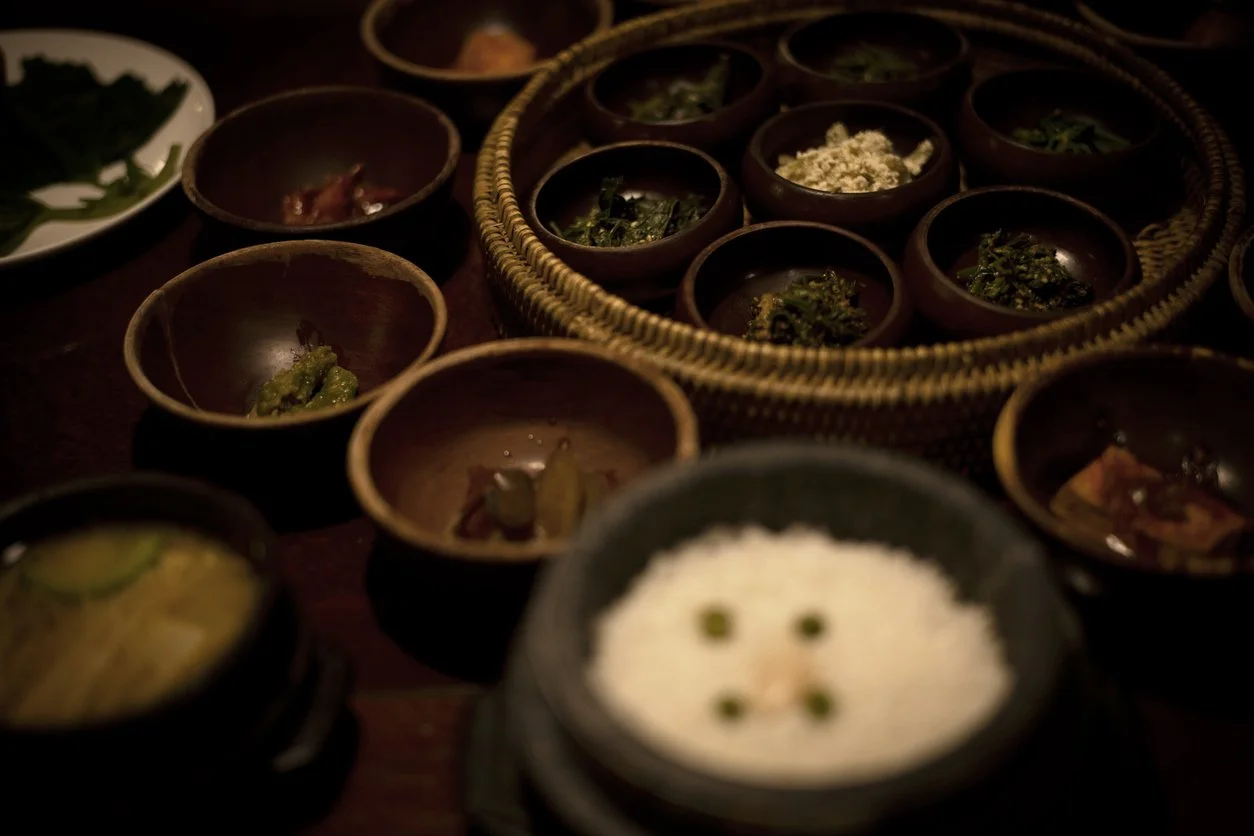
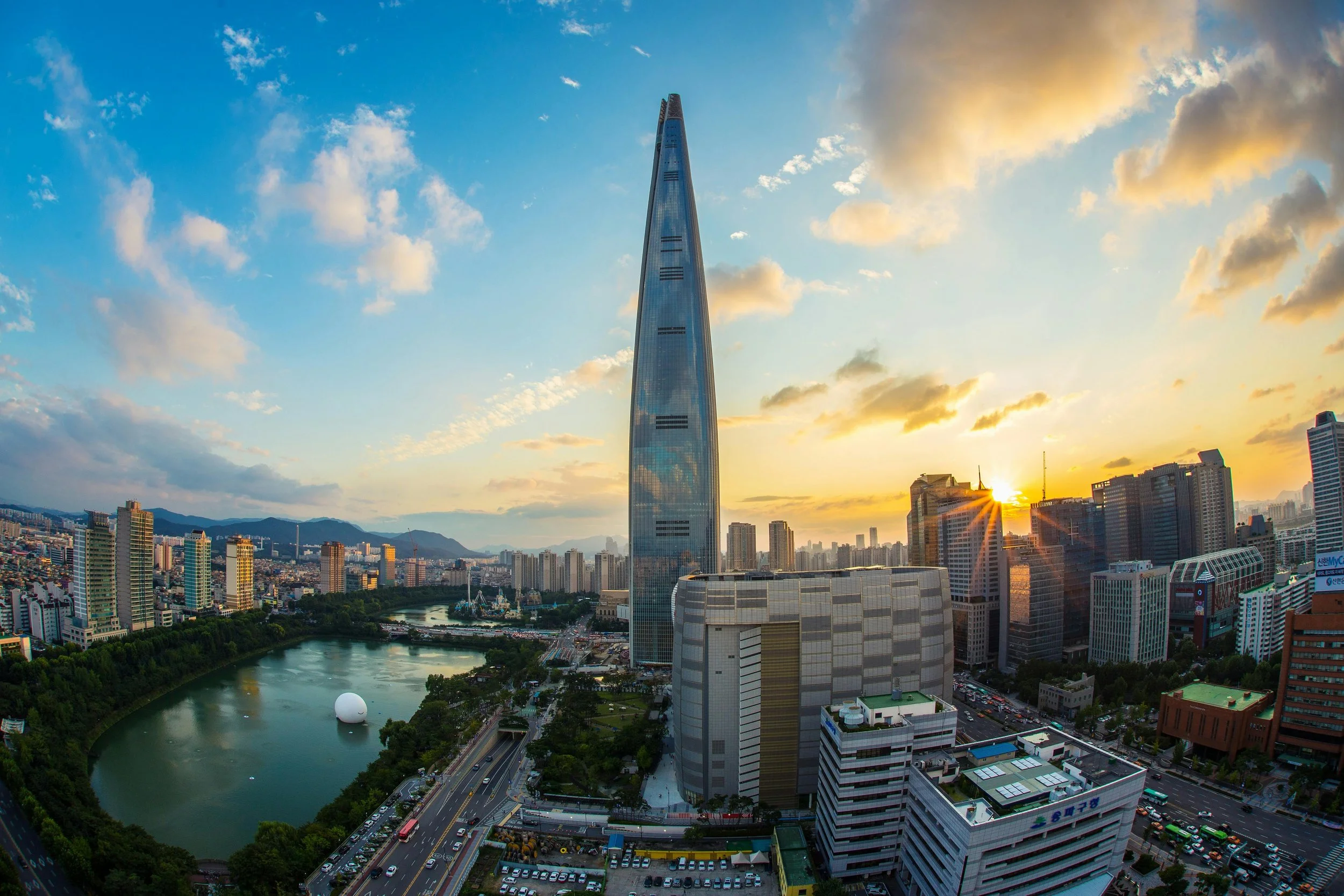
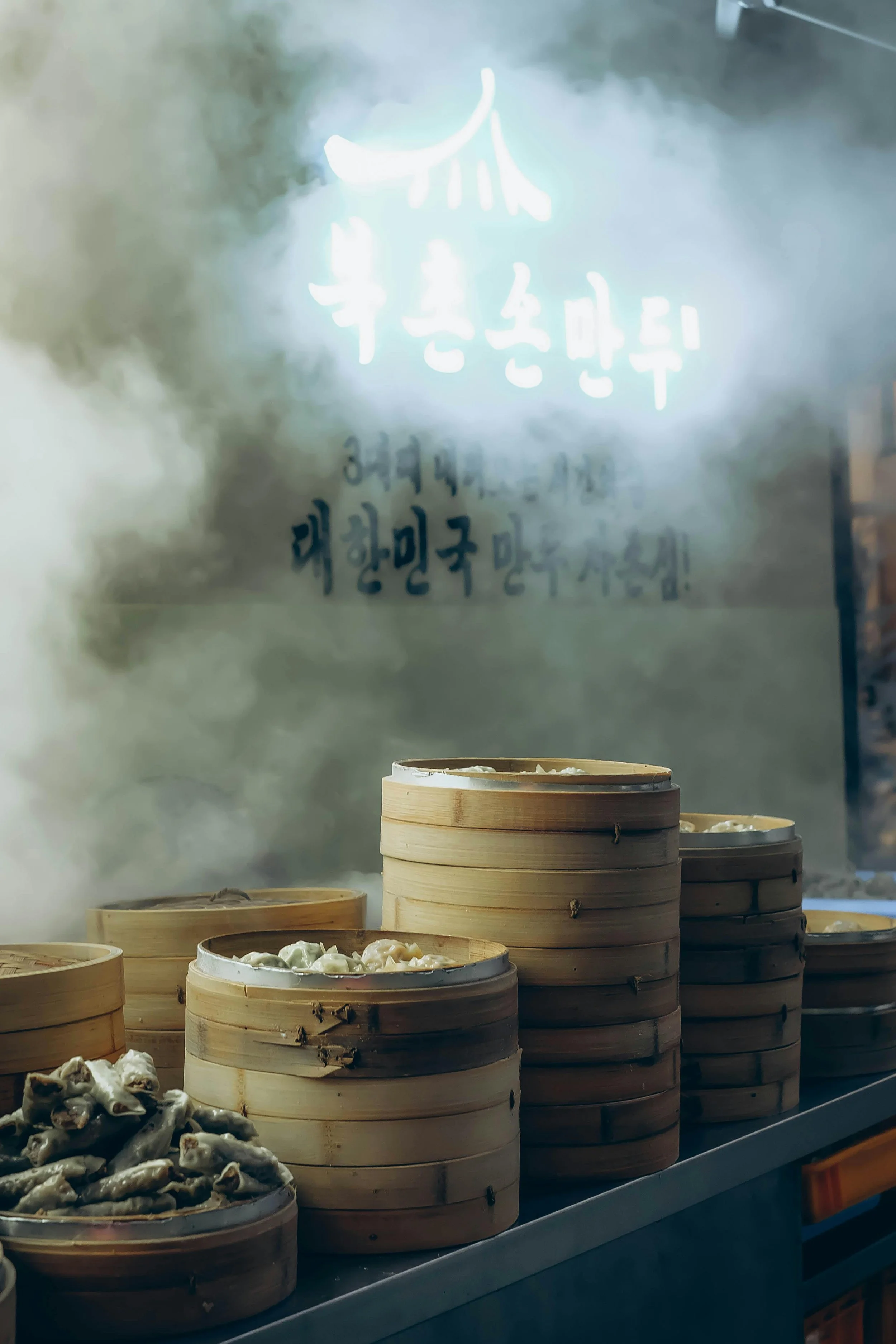
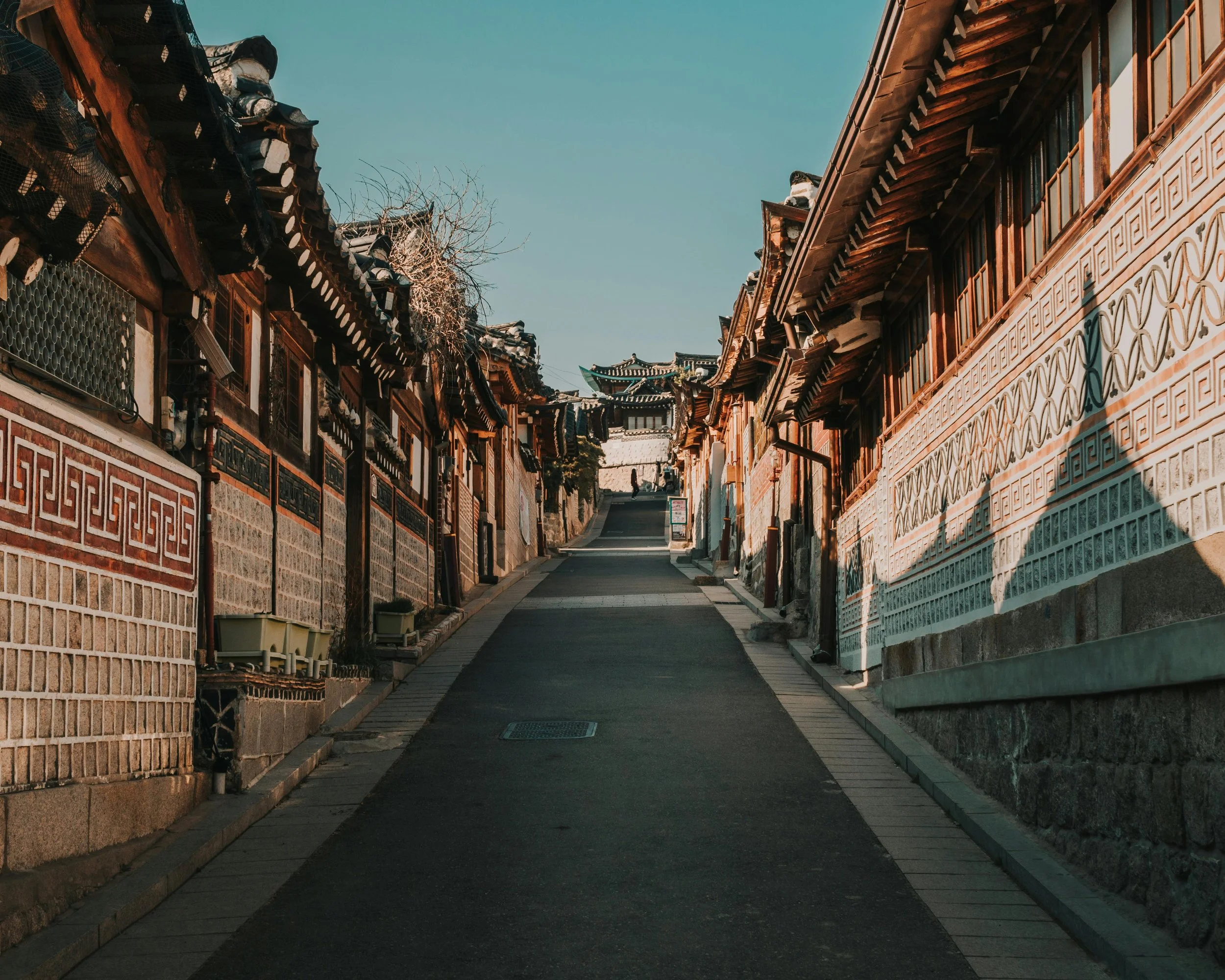
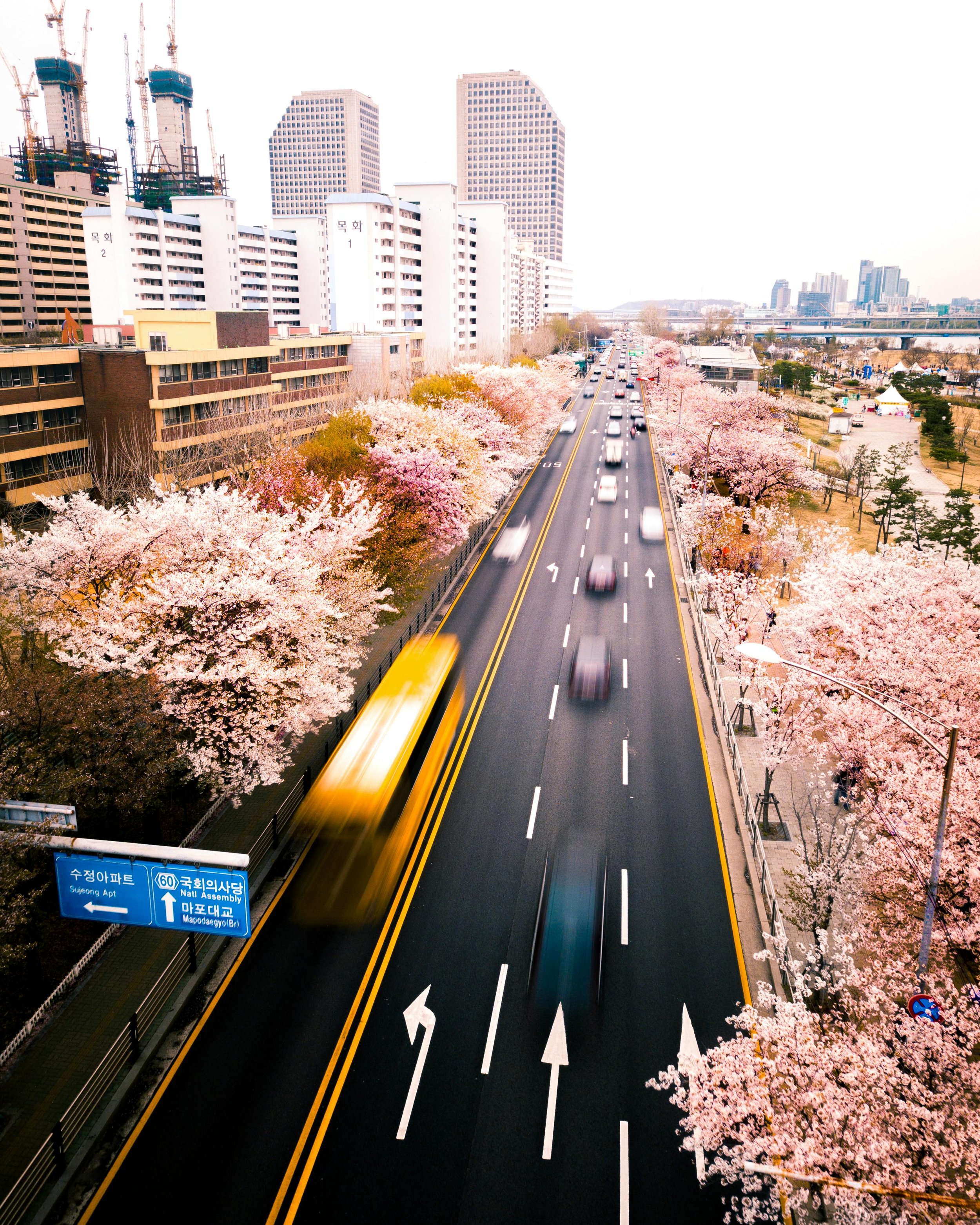
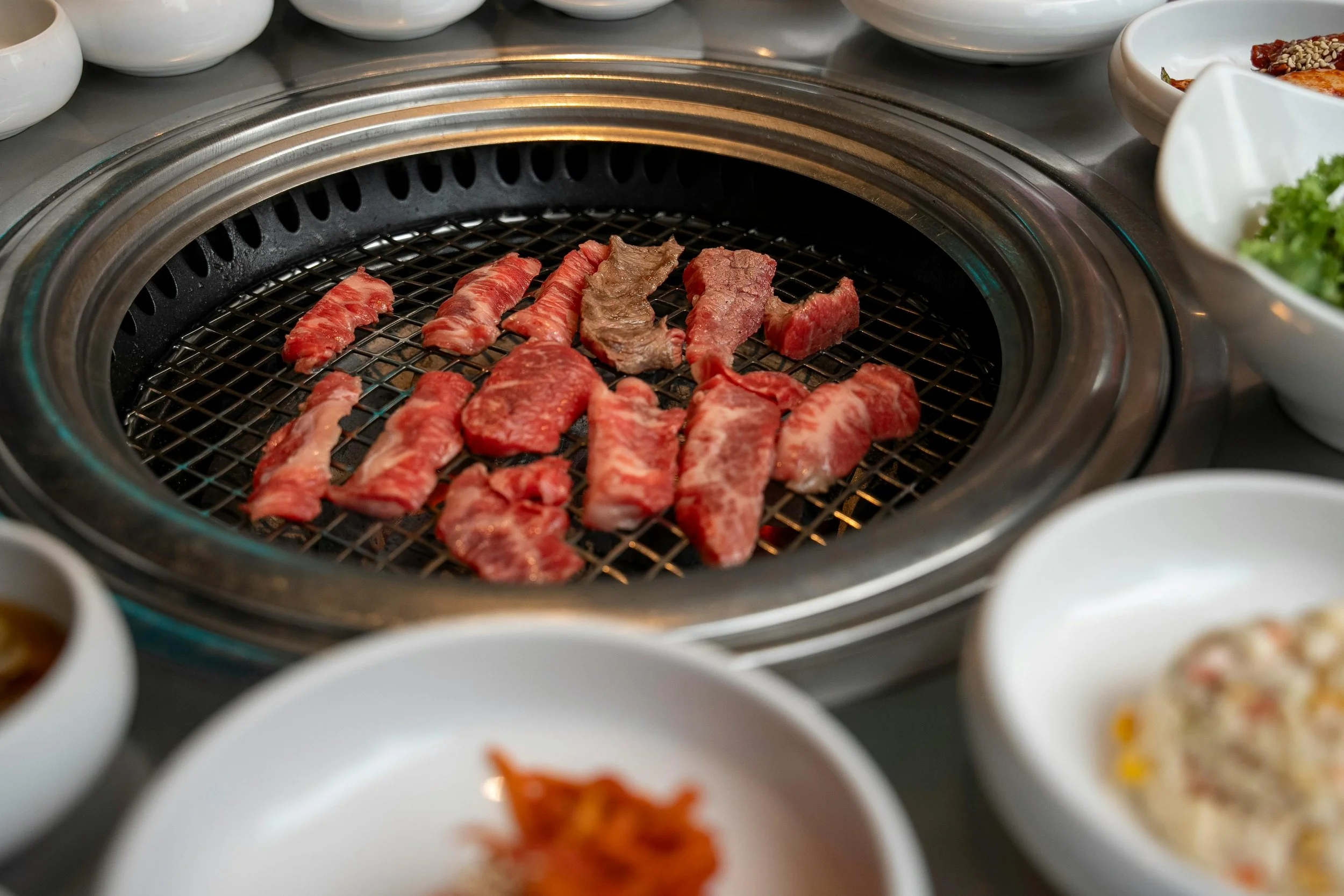
Seoul's food culture operates on multiple frequencies: pojangmacha street tents serve local favorites while restaurants reinterpret historic cuisine through a modern lens. Traditional markets like Gwangjang overflow with vendors who’ve refined recipes across generations. Korean barbecue is an art form here, framed with an abundance of banchan - side dishes set in the center of the table. Hanok villages preserve tea culture while Gangnam's sleek restaurants showcase Korea's culinary ambition.
Why Now?
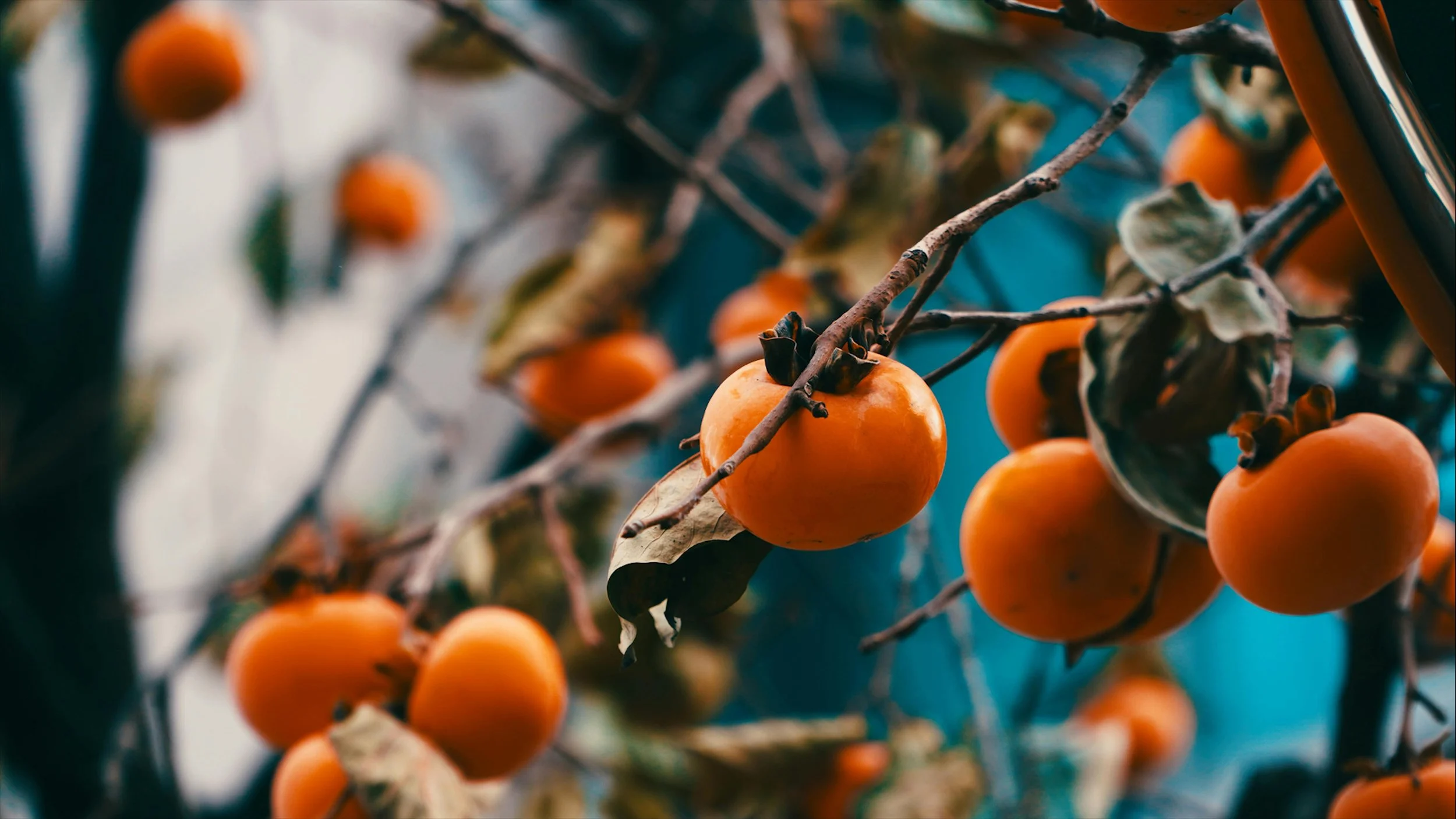
Fall through winter showcases Korean comfort food at its peak power. Kimjang - the annual kimchi-making tradition - fills markets with napa cabbage and seasoning ingredients. Street food becomes especially appealing when temperatures drop: steaming hotteok (sweet, filled pancakes), fishcake skewers in hot broth, roasted chestnuts warming your hands.
The city embraces hearty stews Koreans have perfected to combat the cold, and Seoul's end-of-year celebrations add a festive sparkle to the already-vibrant food scene.